

Hey there! As a supplier of Plywood Forming Lines, I've got a ton of experience in the plywood production game. Today, I'm gonna walk you through the inspection methods for plywood produced by a forming line. This is super important because high - quality plywood is what keeps our customers coming back.
First off, let's talk about the visual inspection. This is the most basic and straightforward method. When the plywood comes out of the forming line, the first thing you do is take a good look at it. Check for any visible defects like knots, splits, or cracks. Knots can weaken the plywood and affect its overall strength. Splits and cracks are obvious signs of poor quality and can make the plywood unusable for certain applications.
Also, look at the surface finish. The plywood should have a smooth and even surface. Any rough patches or unevenness can be a problem, especially if the plywood is going to be used for furniture or interior decoration. A good way to check the surface finish is to run your hand over the plywood. If you feel any bumps or rough spots, that's a red flag.
Next up is the dimension inspection. Plywood needs to meet specific size requirements. Measure the length, width, and thickness of the plywood. These dimensions should be within the specified tolerance. For example, if the required thickness of the plywood is 12mm, it should be close to that value, say between 11.8mm and 12.2mm. Inaccurate dimensions can cause problems during installation, especially if the plywood is being used in a pre - designed structure.
We also need to check the moisture content. Excessive moisture in plywood can lead to warping, swelling, and fungal growth. There are moisture meters available that can quickly and accurately measure the moisture content of the plywood. The ideal moisture content for plywood depends on its intended use, but generally, it should be between 6% and 14%. If the moisture content is too high, the plywood needs to be dried further before it can be used.

Now, let's get into the strength and bonding inspection. Plywood is made up of multiple layers bonded together. The strength of these bonds is crucial. One way to test the bonding strength is the delamination test. You can try to peel the layers of the plywood apart at the edges. If the layers separate easily, it means the bonding is weak. A good - quality plywood should have strong bonds that hold the layers firmly together.
Another important aspect is the bending strength. Plywood is often used in applications where it needs to withstand bending forces. You can perform a simple bending test by placing the plywood on two supports and applying a load at the center. The plywood should be able to withstand a certain amount of bending without breaking. There are also more advanced testing machines available that can accurately measure the bending strength of the plywood.
In addition to these basic inspection methods, there are some specialized tests that can be done. For example, if the plywood is going to be used in an environment where it will be exposed to fire, a fire - resistance test can be carried out. This test measures how long the plywood can resist burning and how much it contributes to the spread of fire.
If the plywood is going to be used outdoors, a weather - resistance test is necessary. This involves exposing the plywood to different weather conditions, such as rain, sunlight, and humidity, for a certain period of time and then checking for any signs of damage or deterioration.
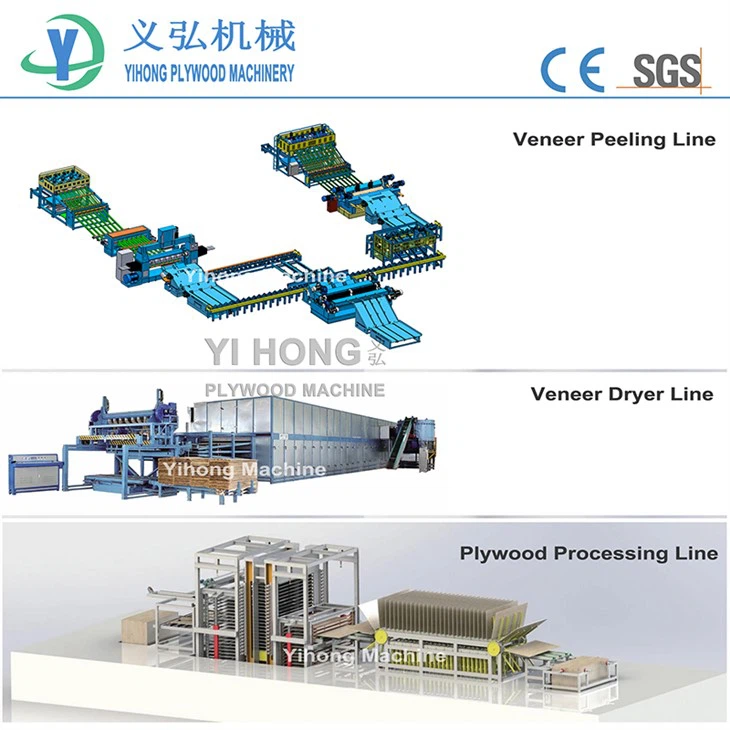
As a Plywood Forming Line supplier, I know that having the right equipment is essential for producing high - quality plywood. For instance, a Plywood Hot Press Machine plays a crucial role in the bonding process. It applies heat and pressure to the layers of plywood, ensuring strong bonds. A Melamine Laminated Press Machine is used to apply a melamine laminate to the surface of the plywood, giving it a nice finish and added durability. And a Plywood Turning Machine is useful for handling and turning the plywood during the production process.
By using these inspection methods and the right equipment, we can ensure that the plywood produced by our forming lines meets the highest quality standards. Whether you're a furniture manufacturer, a construction company, or a DIY enthusiast, you need plywood that you can rely on.
If you're in the market for a Plywood Forming Line or any of the related machines, I'd love to have a chat with you. We can discuss your specific needs and how our equipment can help you produce top - notch plywood. Don't hesitate to reach out if you have any questions or if you're ready to take your plywood production to the next level.
References
- Plywood Manufacturing Handbook.
- Wood Products Testing Standards.