

In the realm of forestry and wood processing, the efficiency of loading and handling logs is crucial for the overall productivity of operations. Among the various types of loading decks available, the Log Loading Deck stands out with distinct features and functionalities that set it apart from other loading decks. As a supplier of Log Loading Decks, I have witnessed firsthand the unique advantages these specialized structures offer. In this blog, I will delve into the differences between a Log Loading Deck and other loading decks, highlighting the key aspects that make the Log Loading Deck a preferred choice for log handling operations.
Structural Design and Functionality
One of the primary differences between a Log Loading Deck and other loading decks lies in its structural design, which is specifically tailored to accommodate the unique characteristics of logs. Logs are large, heavy, and irregularly shaped objects, requiring a loading deck that can handle their weight and dimensions effectively. A Log Loading Deck is typically constructed with heavy - duty materials such as steel or reinforced concrete to provide the necessary strength and durability to support the weight of multiple logs.
The deck surface of a Log Loading Deck is designed with a non - slip texture to prevent logs from rolling or shifting during loading and unloading operations. This is especially important as logs can be extremely dangerous if they move unexpectedly. In contrast, other loading decks may be designed for lighter or more uniformly shaped cargo, and their surface textures may not be optimized for log handling.
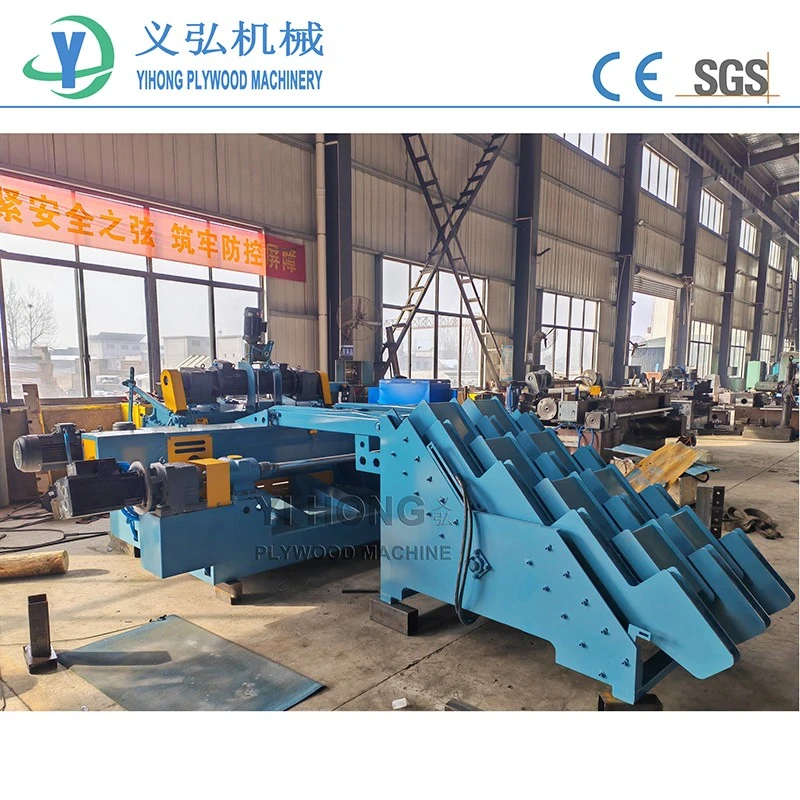
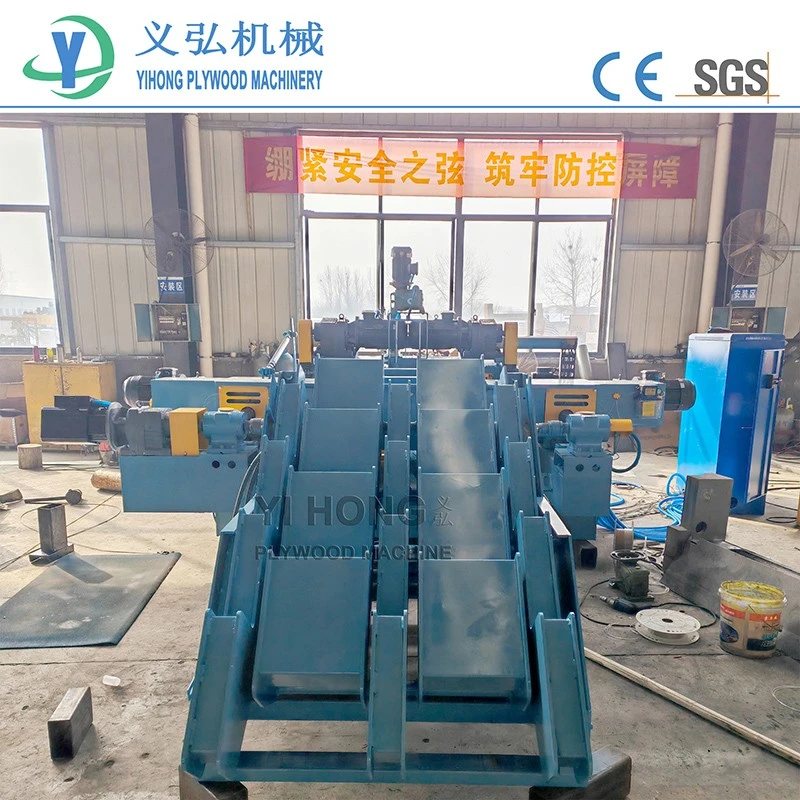
The layout of a Log Loading Deck is also carefully planned to facilitate the efficient movement of logs. It often includes features such as ramps, chutes, and conveyors that are specifically designed to guide logs from the storage area to the transport vehicle. For example, a Log Feeding Conveyor can be integrated into the Log Loading Deck to automatically feed logs onto the deck at a consistent rate, reducing the need for manual labor and increasing the speed of the loading process. Other loading decks may not have such specialized equipment, as their cargo may not require the same level of controlled movement.
Log Sorting and Handling Capabilities
Another significant difference is the Log Loading Deck's ability to sort and handle logs based on various criteria. Logs come in different sizes, lengths, and qualities, and it is often necessary to separate them before loading. A Log Loading Deck can be equipped with sorting mechanisms such as a Log Singulator or a Log Feeding Singulator. These devices can separate individual logs from a group, allowing for more accurate sizing, grading, and loading.
For instance, a Log Singulator can detect the position and orientation of each log and adjust its movement accordingly to ensure that logs are loaded in an organized manner. This is particularly useful when different types of logs need to be loaded onto separate trucks or when logs are being prepared for further processing at a sawmill. Other loading decks may not have the same level of sophistication in sorting and handling, as their cargo may not require such detailed categorization.
Safety Features
Safety is a top priority in any loading operation, and Log Loading Decks are designed with a range of safety features to protect workers and prevent accidents. Due to the large size and weight of logs, the risk of injury is significantly higher compared to other types of cargo. Log Loading Decks are equipped with guardrails, safety barriers, and emergency stop buttons to minimize the risk of falls and other accidents.
Moreover, the loading process on a Log Loading Deck is often automated to reduce the direct contact between workers and the logs. Automated conveyors and loading mechanisms can handle the heavy lifting, reducing the physical strain on workers and decreasing the likelihood of injuries caused by manual handling. Other loading decks may not have the same comprehensive safety features, especially if they are used for less hazardous cargo.
Compatibility with Log - Specific Equipment
Log Loading Decks are designed to be compatible with a wide range of log - specific equipment. This includes log grapples, saws, and debarkers that are commonly used in the forestry and wood processing industries. The deck's structure and layout are engineered to allow easy access for these tools, enabling seamless integration into the loading process.
For example, a log grapple can be easily positioned over the Log Loading Deck to pick up and move logs. The deck's design ensures that there is sufficient space for the grapple to operate without interference. Other loading decks may not be designed to accommodate such specialized equipment, which can limit their functionality in log - handling operations.
Environmental Considerations
In today's environmentally conscious world, the design of loading decks also takes into account environmental factors. Log Loading Decks can be designed with features to minimize soil erosion and protect water quality. For example, they can be built with proper drainage systems to prevent the accumulation of water and sediment runoff.
Additionally, the use of energy - efficient equipment on Log Loading Decks can reduce the carbon footprint of the loading operation. Automated conveyors and sorting mechanisms can be powered by energy - efficient motors, reducing energy consumption compared to traditional manual or less efficient loading methods. Other loading decks may not have the same level of environmental design, especially if they are not specifically designed for the forestry industry.
Cost - Effectiveness
While the initial investment in a Log Loading Deck may be higher than that of other loading decks, it offers long - term cost - effectiveness. The increased efficiency of log handling, reduced labor costs, and minimized downtime due to accidents or equipment failures can result in significant savings over time.
The ability to sort and handle logs more accurately can also lead to better utilization of resources. By separating logs based on quality and size, mills can make more efficient use of the wood, reducing waste and increasing the value of the final products. Other loading decks may not provide the same level of cost - savings in log - handling operations.
Conclusion
In conclusion, a Log Loading Deck is a specialized piece of equipment designed specifically for the unique requirements of log handling. Its distinct structural design, sorting and handling capabilities, safety features, compatibility with log - specific equipment, environmental considerations, and cost - effectiveness set it apart from other loading decks.
If you are in the forestry or wood processing industry and are looking for a reliable and efficient solution for log loading, I encourage you to consider our Log Loading Decks. Our team of experts can work with you to customize a Log Loading Deck that meets your specific needs and requirements. Whether you are a small - scale logging operation or a large - scale wood processing mill, our Log Loading Decks can help you improve your productivity and streamline your operations. Contact us to discuss your log - loading needs and explore how our products can benefit your business.
References
- Forestry Equipment Handbook: A comprehensive guide to equipment used in the forestry industry, including loading decks.
- Journal of Wood Processing: Articles on the latest advancements in log handling and loading technologies.
- Industry reports on the forestry and wood processing sectors, highlighting the importance of efficient log - loading operations.