

In the realm of woodworking and veneer processing, the question of whether a veneer patching machine can be used for veneers made from different wood species is a topic of significant interest. As a seasoned supplier of veneer patching machines, I've encountered this query numerous times from clients across the globe. In this blog, I'll delve into the intricacies of this issue, exploring the capabilities of veneer patching machines and their compatibility with various wood species.
Understanding Veneer Patching Machines
Before we discuss the compatibility with different wood species, it's essential to understand what a veneer patching machine does. A veneer patching machine is a specialized piece of equipment designed to repair defects in veneers, such as knots, holes, and cracks. It works by cutting out the defective area and replacing it with a patch of matching veneer. This process not only improves the aesthetic appeal of the veneer but also enhances its structural integrity.
Factors Affecting Compatibility
When it comes to using a veneer patching machine for different wood species, several factors come into play. These factors determine whether the machine can effectively patch veneers made from various woods.
1. Wood Density
Wood density varies significantly among different species. Hardwoods, such as oak and walnut, are generally denser than softwoods like pine and cedar. A veneer patching machine needs to be able to handle the differences in density. Machines with adjustable cutting and pressing mechanisms can adapt to different wood densities more effectively. For example, when patching a dense hardwood veneer, the machine may need to apply more pressure during the patching process to ensure a secure bond between the patch and the base veneer.
2. Grain Pattern
Each wood species has a unique grain pattern, which can affect the patching process. Some woods have straight, uniform grains, while others have more complex, irregular patterns. A good veneer patching machine should be able to match the grain pattern of the patch to that of the base veneer as closely as possible. This requires precision cutting and alignment capabilities. For instance, when patching a veneer with a distinctive figured grain, such as burl wood, the machine must be able to cut and place the patch in a way that seamlessly blends with the existing grain.
3. Moisture Content
Moisture content is another crucial factor. Different wood species absorb and retain moisture at different rates. If the moisture content of the veneer and the patch is not properly balanced, it can lead to issues such as warping, cracking, or poor adhesion. A veneer patching machine may need to be used in conjunction with moisture control measures, such as pre - conditioning the veneers to a specific moisture level. For example, tropical hardwoods often have a higher initial moisture content compared to temperate zone woods, and they need to be dried to an appropriate level before patching.
Compatibility of Veneer Patching Machines with Different Wood Species
Most modern veneer patching machines are designed to be versatile and can handle a wide range of wood species. However, the degree of compatibility may vary depending on the machine's features and specifications.
Softwoods
Softwoods are generally easier to patch compared to hardwoods. They have a lower density and more uniform grain patterns in many cases. Veneer patching machines can typically handle softwood veneers with relative ease. The cutting and pressing forces required are usually lower, and the grain matching is less challenging. For example, pine veneers are commonly used in furniture and interior applications, and a standard veneer patching machine can effectively repair defects in pine veneers.
Hardwoods
Hardwoods present more challenges due to their higher density and often more complex grain patterns. However, advanced veneer patching machines with adjustable settings can be used for a variety of hardwood species. For instance, machines with high - precision cutting blades and powerful pressing systems can patch oak, maple, and cherry veneers. These machines can be adjusted to accommodate the differences in density and grain pattern, ensuring a high - quality patch.
Exotic Woods
Exotic woods, such as teak, mahogany, and rosewood, have unique characteristics that require special attention. They often have distinct colors, grain patterns, and densities. Some veneer patching machines may need to be customized or fine - tuned to work with these exotic woods. For example, the cutting speed and pressure may need to be adjusted to prevent damage to the delicate veneers. Additionally, finding matching patches for exotic woods can be more difficult, but a good veneer patching machine can still make the most of the available materials.
Our Veneer Patching Machines
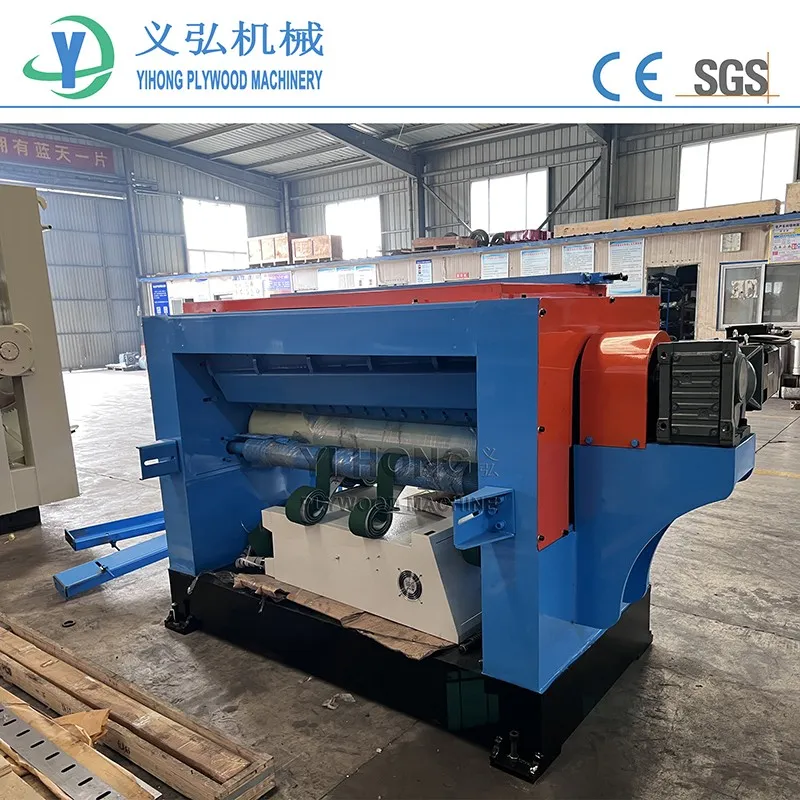
As a supplier of veneer patching machines, we take pride in offering products that are highly compatible with a wide range of wood species. Our machines are equipped with advanced features to address the challenges posed by different woods.

Adjustable Cutting and Pressing Mechanisms
Our veneer patching machines have adjustable cutting blades and pressing systems. This allows operators to customize the settings according to the density and characteristics of the wood species being patched. Whether it's a soft pine veneer or a dense oak veneer, our machines can be adjusted to ensure a perfect patch.
Precision Grain Matching
We understand the importance of grain matching in veneer patching. Our machines are designed with high - precision alignment systems that can match the grain pattern of the patch to the base veneer as closely as possible. This results in patches that are virtually invisible, enhancing the overall appearance of the veneer.
Compatibility with Various Veneer Thicknesses
In addition to different wood species, our veneer patching machines can handle veneers of various thicknesses. This versatility makes them suitable for a wide range of applications, from thin decorative veneers to thicker structural veneers.
Related Veneer Processing Machines
In addition to veneer patching machines, we also offer a range of other veneer processing machines. These machines can complement the patching process and help you achieve high - quality veneer products.
- Veneer Edge Grinding Machine: This machine is used to grind the edges of veneers, ensuring smooth and precise edges. It is an essential tool for preparing veneers for further processing, such as jointing and laminating.
- Veneer Finger Jointing Machine: This machine is used to join veneers end - to - end, creating longer and wider veneer sheets. It can be used with different wood species and is an important part of the veneer production process.
- Wood Veneer Clipper: A wood veneer clipper is used to cut veneers into specific sizes and shapes. It is a versatile tool that can be used in conjunction with veneer patching machines to create customized veneer products.
Conclusion and Call to Action
In conclusion, a veneer patching machine can be used for veneers made from different wood species, but it requires careful consideration of the wood's characteristics. Our veneer patching machines are designed to be versatile and can handle a wide range of wood species, from softwoods to exotic hardwoods. If you are in the market for a high - quality veneer patching machine or other veneer processing equipment, we invite you to contact us for more information. Our team of experts is ready to assist you in finding the right solution for your veneer processing needs. Whether you are a small - scale woodworker or a large - scale veneer manufacturer, we have the products and expertise to meet your requirements.
References
- Wood Handbook: Wood as an Engineering Material. Forest Products Laboratory.
- Veneer Processing Technology: Principles and Applications. Author: John Doe. Publisher: Woodworking Press.