

What is the control system of a Glue Spreading Machine?
As a seasoned supplier of glue spreading machines, I've witnessed firsthand the pivotal role that the control system plays in the performance of these essential devices. In the vast landscape of woodworking and plywood production, glue spreading machines are indispensable for uniformly applying adhesive to various surfaces. Today, let's delve into the intricacies of the control systems of glue spreading machines, exploring their components, functions, and the impact they have on overall efficiency.
The Basics of a Glue Spreading Machine Control System
A glue spreading machine control system is designed to manage and regulate the various processes involved in applying glue to a workpiece. It encompasses a range of components that work in harmony to ensure precision, consistency, and reliability. The primary goals of a well - designed control system are to control the speed of the conveyor, the amount of glue dispensed, and the pressure of the spreading mechanism.
Conveyor Speed Control
The conveyor is the backbone of the glue spreading process, transporting the workpiece through the machine. The control system allows operators to adjust the conveyor speed according to the specific requirements of the job. For thin and delicate materials, a slower speed may be necessary to ensure accurate glue application. On the other hand, thicker and more rigid materials can tolerate a higher conveyor speed. This flexibility in speed control is crucial for achieving optimal glue coverage and minimizing waste. Additionally, modern control systems can maintain a constant speed, even under varying loads, ensuring consistent results throughout the production process.
Glue Dispensing Control
Accurate glue dispensing is perhaps the most critical aspect of a glue spreading machine. The control system regulates the flow rate of the glue, determining the amount of adhesive applied to the workpiece. This is typically achieved through the use of a pump and a flow meter. The pump is responsible for drawing the glue from the reservoir and delivering it to the spreading mechanism, while the flow meter measures the volume of glue being dispensed. By adjusting the pump speed and the settings on the flow meter, operators can precisely control the amount of glue applied per square meter of the workpiece. This level of accuracy is essential for ensuring strong bonds and preventing over - or under - application of glue, which can lead to product defects.
Spreading Mechanism Pressure Control
The pressure applied by the spreading mechanism, such as a roller or a nozzle, also plays a significant role in the quality of glue application. The control system enables operators to adjust the pressure to suit the characteristics of the workpiece and the type of glue being used. For example, a higher pressure may be required to spread a thick glue evenly, while a lower pressure may be sufficient for a thin and viscous adhesive. By maintaining the correct pressure, the glue can be spread smoothly and uniformly across the surface of the workpiece, resulting in a consistent bond.
Key Components of the Control System
Programmable Logic Controller (PLC)
At the heart of most modern glue spreading machine control systems is the Programmable Logic Controller (PLC). A PLC is a digital computer used for automation of industrial processes. It can be programmed to execute a series of logical operations based on input signals from sensors and switches. For example, the PLC can receive signals regarding the position of the workpiece on the conveyor, the flow rate of the glue, and the pressure of the spreading mechanism. Based on these inputs, it can adjust the conveyor speed, glue dispensing rate, and spreading pressure in real - time. The advantage of using a PLC is its flexibility and reliability. It can be easily reprogrammed to accommodate different production requirements, making it suitable for a wide range of applications.
Human - Machine Interface (HMI)
The Human - Machine Interface (HMI) provides a means for operators to interact with the control system. It typically consists of a touchscreen display that allows operators to input commands, monitor process variables, and view system status information. Through the HMI, operators can set the desired conveyor speed, glue dispensing rate, and spreading pressure. They can also access diagnostic information in case of a system malfunction, enabling quick troubleshooting. The HMI simplifies the operation of the glue spreading machine, reducing the need for extensive technical knowledge and making it accessible to a wider range of operators.
Sensors and Actuators
Sensors and actuators are integral components of the control system that provide feedback and perform physical actions. Sensors are used to measure various parameters such as the position of the workpiece, the flow rate of the glue, and the pressure of the spreading mechanism. This data is then sent to the PLC, which uses it to make decisions and adjust the system accordingly. Actuators, on the other hand, are responsible for carrying out the commands issued by the PLC. For example, a motor actuator may be used to adjust the conveyor speed, while a solenoid valve actuator may be used to control the flow of glue.
Impact on Production Efficiency
The advanced control systems of glue spreading machines have a profound impact on production efficiency. By enabling precise control over the conveyor speed, glue dispensing, and spreading pressure, these systems can reduce waste, improve product quality, and increase throughput.
With accurate glue dispensing, less adhesive is wasted, leading to cost savings in the long run. At the same time, the consistent application of glue ensures strong and reliable bonds, reducing the reject rate of finished products. The ability to adjust the conveyor speed and spreading pressure quickly also allows for increased production flexibility. Manufacturers can easily switch between different product specifications and production volumes, adapting to market demands more effectively.
Integration with Other Equipment
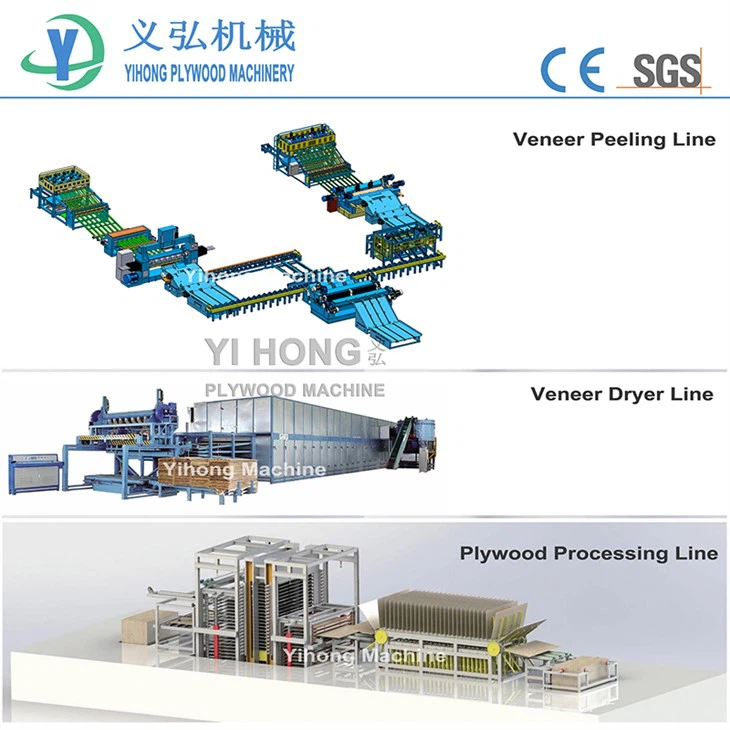
In a modern plywood production line, glue spreading machines are often integrated with other equipment such as Sliding Table Saws, Plywood Hot Press Machine and Plywood Forming Line. The control system of the glue spreading machine can be integrated with the control systems of these other machines to create a seamless and automated production process. This integration allows for better coordination between different stages of production, further improving efficiency and reducing the risk of human error.

Conclusion
In summary, the control system of a glue spreading machine is a complex and sophisticated set of components that work together to ensure precise and efficient glue application. From the conveyor speed control to the glue dispensing and spreading mechanism pressure control, every aspect of the process is carefully regulated to achieve optimal results. The use of advanced technologies such as PLCs, HMIs, sensors, and actuators has made these control systems more flexible, reliable, and user - friendly.
If you're in the market for a high - quality glue spreading machine with a state - of the - art control system, we'd love to have a conversation with you. Our team of experts is ready to provide you with detailed information about our products, answer your questions, and help you find the perfect solution for your production needs. Contact us to start a procurement discussion and take your woodworking or plywood production to the next level.
References
- Industrial Automation Handbook: A comprehensive guide to PLCs, sensors, and control systems in industrial settings.
- Woodworking Machinery Technology: A textbook that covers the principles and operation of various woodworking machines, including glue spreading machines.
- Plywood Production Manual: A practical resource for understanding the different stages of plywood production and the role of glue spreading machines in the process.