

Hey there! As a supplier of Plywood Turning Machines, I often get asked about the clamping method of plywood on these machines. So, I thought I'd take a moment to break it down for you in this blog post.
First off, let's understand why clamping is so important when it comes to plywood on a Plywood Turning Machine. When you're working with plywood, you need to make sure it's held securely in place. This not only ensures a smooth and accurate turning process but also helps prevent any potential accidents. If the plywood isn't clamped properly, it could shift during operation, leading to uneven cuts and even damage to the machine or the plywood itself.
There are a few different clamping methods that are commonly used on Plywood Turning Machines, and I'll go through each of them one by one.
Manual Clamping
Manual clamping is one of the most basic and traditional methods. It involves using simple tools like C - clamps or bar clamps to hold the plywood in place. You just position the plywood on the machine's work surface and then use the clamps to secure it tightly. The advantage of manual clamping is that it's relatively inexpensive and easy to do. You don't need any fancy equipment, and you can adjust the clamping force as needed. However, it can be time - consuming, especially if you're working on multiple pieces of plywood. Also, it might not provide the most consistent clamping force across the entire surface of the plywood.
Hydraulic Clamping
Hydraulic clamping is a more advanced method that uses hydraulic pressure to hold the plywood. The machine is equipped with hydraulic cylinders that apply a uniform and powerful clamping force. This method is great because it can provide a very high level of clamping force, which is especially useful when you're working with large or thick pieces of plywood. It also ensures a consistent clamping force across the entire surface, which leads to more accurate turning results. The downside is that hydraulic systems can be expensive to install and maintain. They also require a certain level of technical knowledge to operate.
Vacuum Clamping
Vacuum clamping is another popular option. With this method, the machine has a vacuum table. The plywood is placed on the table, and then the air is removed from the space between the table and the plywood, creating a vacuum that holds the plywood in place. Vacuum clamping is very effective because it provides a large - area, uniform clamping force. It's also quick and easy to use. You just place the plywood on the table, turn on the vacuum pump, and you're good to go. It's especially useful for thin or irregularly shaped pieces of plywood. However, the vacuum system needs to be properly maintained to ensure a good seal, and it might not be as effective if the plywood has a rough or porous surface.
Now, let's talk about some factors to consider when choosing a clamping method for your Plywood Turning Machine.
Plywood Size and Thickness
The size and thickness of the plywood play a big role in determining the best clamping method. For small and thin pieces of plywood, manual clamping or vacuum clamping might be sufficient. But for large and thick pieces, hydraulic clamping is often the better choice because it can provide the high clamping force needed to hold the plywood securely.
Production Volume
If you're doing a high - volume production, you'll want a clamping method that's fast and efficient. Vacuum clamping and hydraulic clamping are usually better for high - volume production because they can save time compared to manual clamping.
Budget
Your budget is also an important factor. Manual clamping is the most affordable option, while hydraulic clamping and vacuum clamping systems can be more expensive. You need to balance the cost with the benefits you'll get from each method.
As a Plywood Turning Machine supplier, I can offer you machines with different clamping methods to suit your specific needs. Whether you're a small - scale woodworker or a large - scale plywood manufacturer, we've got a solution for you.
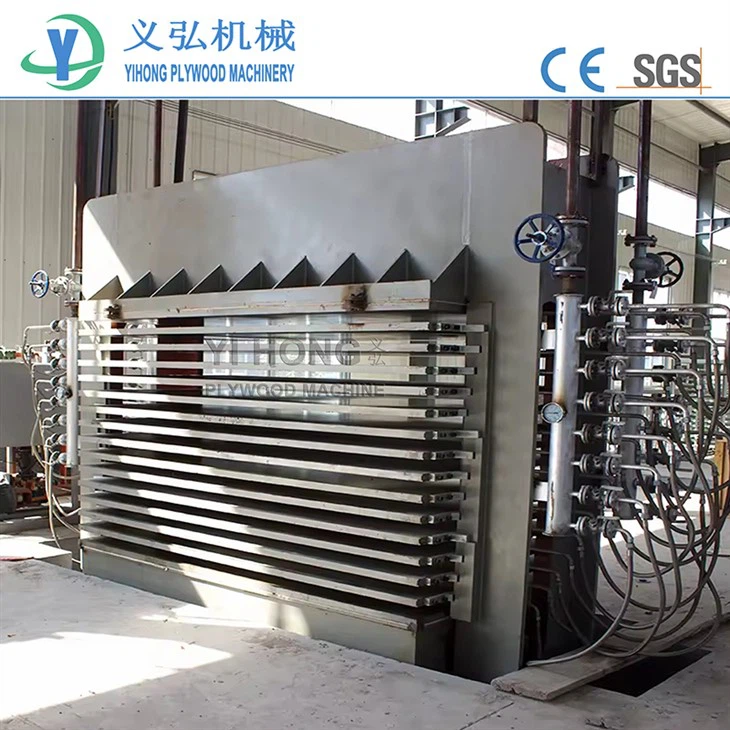

If you're also in the market for other plywood production machines, we've got you covered. Check out our Plywood Hot Press Machine, which is great for pressing layers of plywood together. We also have the Double Dimension Saw for accurate cutting of plywood, and the Melamine Laminated Press Machine for adding melamine laminates to your plywood.
If you're interested in our Plywood Turning Machines or any of our other products, don't hesitate to reach out. We're here to help you find the right equipment for your business and answer any questions you might have. Whether you're just starting out or looking to upgrade your existing equipment, we can work with you to find the best solution.
In conclusion, choosing the right clamping method for your Plywood Turning Machine is crucial for achieving high - quality results. Consider the factors like plywood size, production volume, and budget, and then select the method that best fits your needs. If you have any further questions about clamping methods or our products, feel free to contact us.
References
- Woodworking Machinery Handbook
- Plywood Manufacturing Technology Guides