

Ordering spare parts for a Log Feeding Singulator is a crucial process for maintaining the efficiency and longevity of your equipment. As a supplier of Log Feeding Singulators, I understand the importance of getting the right parts at the right time. In this blog, I will guide you through the steps of ordering spare parts for your Log Feeding Singulator, ensuring that your operations run smoothly.
Step 1: Identify the Required Parts
The first step in ordering spare parts is to accurately identify the parts that you need. This involves a thorough inspection of your Log Feeding Singulator to determine which components are worn out, damaged, or in need of replacement. You can refer to the equipment's manual or schematic diagrams to understand the different parts and their functions.
If you are unsure about the specific parts required, you can take clear pictures of the damaged components or note down their part numbers, sizes, and any other relevant information. This will help you communicate effectively with the supplier and ensure that you receive the correct parts.
Step 2: Source a Reliable Supplier
Once you have identified the required parts, the next step is to find a reliable supplier. As a Log Feeding Singulator supplier, I can attest to the importance of choosing a supplier with a good reputation for quality, reliability, and customer service.
Look for a supplier that specializes in Log Feeding Singulator parts and has a wide range of inventory. This will ensure that they can provide you with the parts you need in a timely manner. You can also check online reviews and testimonials from other customers to get an idea of the supplier's reliability and the quality of their products.
Step 3: Request a Quote
After you have identified a potential supplier, the next step is to request a quote. Provide the supplier with detailed information about the parts you need, including the part numbers, quantities, and any special requirements. This will help them provide you with an accurate quote.

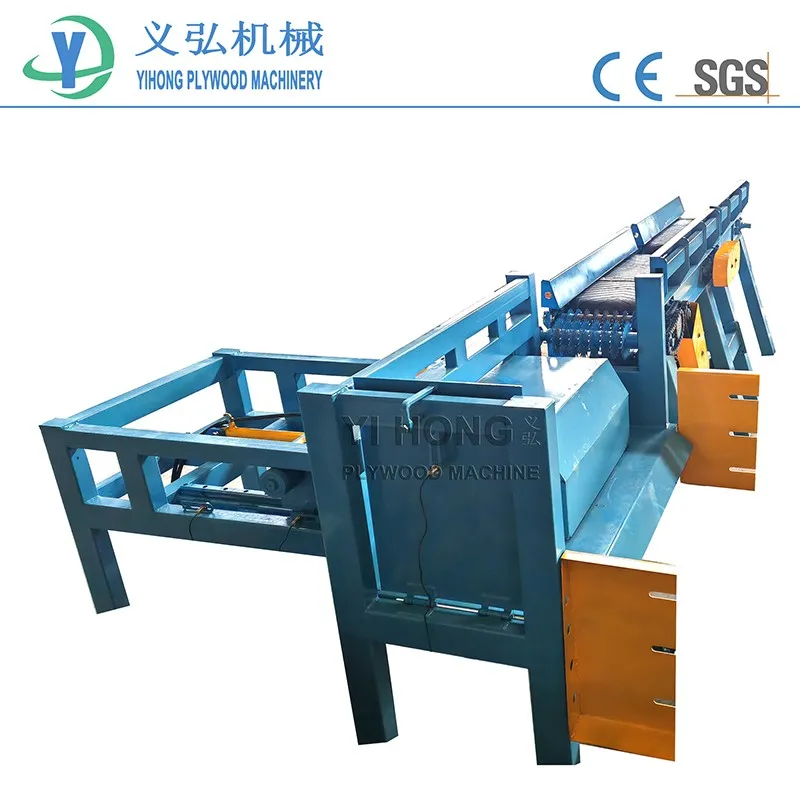
When requesting a quote, it is also a good idea to ask about the lead time for delivery. This will help you plan your operations and ensure that you have the parts in time to minimize downtime.
Step 4: Review the Quote
Once you have received a quote from the supplier, take the time to review it carefully. Compare the prices, lead times, and any other terms and conditions offered by different suppliers. Make sure that you understand all the details of the quote, including any additional fees or charges.
If you have any questions or concerns about the quote, don't hesitate to contact the supplier for clarification. A reliable supplier will be happy to answer your questions and provide you with any additional information you need.
Step 5: Place the Order
After you have reviewed the quote and are satisfied with the terms and conditions, the next step is to place the order. You can usually place an order online, over the phone, or by email. Make sure that you provide the supplier with all the necessary information, including your shipping address, payment details, and any special instructions.
When placing the order, it is also a good idea to confirm the lead time for delivery and get a tracking number so that you can monitor the progress of your order.
Step 6: Receive and Inspect the Parts
Once the parts have been delivered, it is important to inspect them carefully to ensure that they are the correct parts and are in good condition. Check the parts against the packing list and the order confirmation to make sure that you have received everything you ordered.
If you notice any damage or discrepancies, contact the supplier immediately. A reliable supplier will work with you to resolve the issue and ensure that you receive the correct parts as soon as possible.
Step 7: Install the Parts
After you have inspected the parts and are satisfied with their condition, the next step is to install them. If you are not familiar with the installation process, it is recommended that you hire a professional technician to install the parts for you. This will ensure that the parts are installed correctly and that your Log Feeding Singulator operates safely and efficiently.
Step 8: Test the Equipment
Once the parts have been installed, it is important to test the equipment to make sure that it is working properly. Run the Log Feeding Singulator through a few cycles to check for any abnormal noises, vibrations, or other issues. If you notice any problems, contact the supplier or a professional technician for assistance.
Additional Considerations
In addition to the steps outlined above, there are a few additional considerations to keep in mind when ordering spare parts for a Log Feeding Singulator:
- Maintenance Schedule: Establish a regular maintenance schedule for your Log Feeding Singulator to prevent breakdowns and extend the lifespan of the equipment. This includes regular inspections, lubrication, and replacement of worn-out parts.
- Inventory Management: Keep an inventory of commonly used spare parts to ensure that you have them on hand when you need them. This will help you minimize downtime and keep your operations running smoothly.
- Training: Provide your employees with proper training on the operation and maintenance of the Log Feeding Singulator. This will help them identify potential problems early on and take appropriate action to prevent breakdowns.
Conclusion
Ordering spare parts for a Log Feeding Singulator is a critical process that requires careful planning and attention to detail. By following the steps outlined in this blog, you can ensure that you get the right parts at the right time and keep your Log Feeding Singulator operating safely and efficiently.
If you have any questions or need further assistance with ordering spare parts for your Log Feeding Singulator, please don't hesitate to contact us. We are a leading supplier of Log Feeding Singulator parts and can provide you with the support and expertise you need to keep your equipment running smoothly.
For more information about our products and services, please visit our website at Log Conveyor Line, Log Feeding Conveyor, and Hydraulic Log Pusher.
References
- Log Feeding Singulator User Manual
- Industry Best Practices for Equipment Maintenance and Spare Parts Management