

Hey there! As a supplier of Plywood Forming Lines, I've seen my fair share of issues in the plywood production process. One of the most common problems that manufacturers face is glue leakage in the plywood forming line. It can be a real headache, leading to wasted materials, reduced product quality, and increased production costs. But don't worry, I'm here to share some tips on how to deal with this pesky problem.
First off, let's understand why glue leakage happens. There are several factors that can contribute to this issue. One of the main reasons is improper glue application. If the glue is not applied evenly or in the right amount, it can seep out during the pressing process. Another factor is the condition of the pressing equipment. Worn-out or damaged pressing plates can cause uneven pressure distribution, leading to glue leakage. Additionally, the quality of the plywood veneers can also play a role. If the veneers have cracks or uneven surfaces, the glue may not adhere properly and can leak out.
So, how can we tackle these issues? Let's start with glue application. To ensure even glue application, it's important to use the right type of glue applicator. There are different types of applicators available, such as roller applicators and spray applicators. Roller applicators are great for applying a consistent layer of glue, while spray applicators can be more suitable for larger surfaces. Make sure to calibrate the applicator regularly to ensure that the glue is being applied at the correct thickness.
Another tip is to control the glue temperature. Glue viscosity can vary depending on the temperature, so it's important to keep the glue at the right temperature for optimal application. Most glues have a recommended temperature range, so make sure to follow the manufacturer's instructions. You can use a glue heater or cooler to maintain the desired temperature.
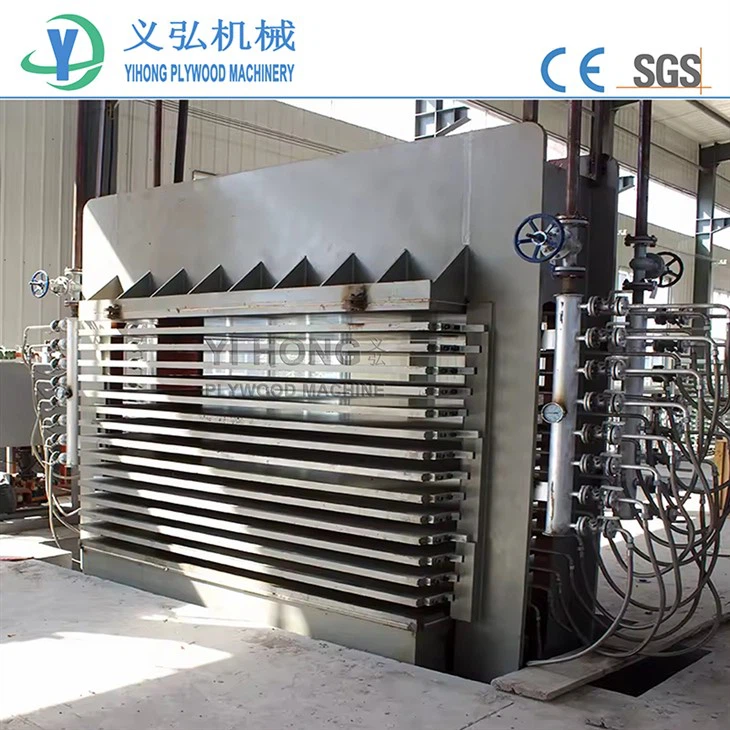
Now, let's talk about the pressing equipment. Regular maintenance is key to preventing glue leakage. Inspect the pressing plates regularly for any signs of wear or damage. If you notice any issues, replace the plates immediately. It's also important to clean the pressing plates after each use to remove any glue residue. This will help to ensure even pressure distribution and prevent glue from sticking to the plates.
In addition to maintaining the pressing plates, you can also use a release agent to prevent glue from sticking. Release agents are substances that are applied to the pressing plates to create a barrier between the glue and the plates. This makes it easier to remove the plywood from the plates after pressing and reduces the risk of glue leakage. There are different types of release agents available, such as silicone-based and wax-based release agents. Choose the one that is most suitable for your pressing equipment and glue type.
The quality of the plywood veneers is also crucial in preventing glue leakage. Before using the veneers, inspect them carefully for any cracks, knots, or other defects. If you find any defective veneers, remove them from the production line. You can also sand the veneers to create a smooth surface, which will help the glue to adhere better.
Another way to improve the quality of the veneers is to use a veneer splicing machine. Veneer splicing machines are used to join two or more veneers together to create a larger sheet. This can help to reduce the number of seams in the plywood, which can reduce the risk of glue leakage. You can find more information about veneer splicing machines on our website Sliding Table Saws.
In addition to these tips, it's also important to train your employees on proper plywood production techniques. Make sure they understand the importance of following the correct procedures for glue application, pressing, and maintenance. Provide them with regular training and updates to ensure that they are up-to-date with the latest techniques and best practices.
Finally, if you're still experiencing glue leakage issues, don't hesitate to contact us. As a Plywood Forming Line supplier, we have a team of experts who can help you troubleshoot the problem and find a solution. We can also provide you with advice on the best equipment and techniques for your specific production needs.
In conclusion, glue leakage in a plywood forming line can be a frustrating problem, but it's not impossible to solve. By following these tips and best practices, you can reduce the risk of glue leakage and improve the quality of your plywood products. Remember to pay attention to glue application, maintain your pressing equipment, use high-quality veneers, and train your employees. If you need any further assistance, don't hesitate to reach out to us. We're here to help you succeed in your plywood production business.
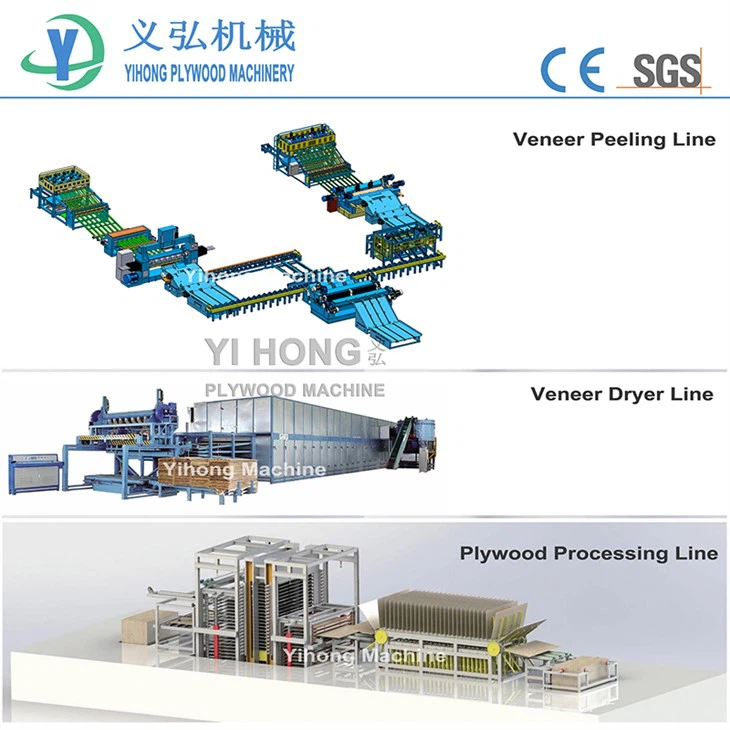
If you're interested in learning more about our Plywood Forming Lines or other plywood production equipment, such as Plywood Turning Machine and Plywood Hot Press Machine, please feel free to contact us. We'd be happy to discuss your needs and provide you with a customized solution.
References
- Plywood Production Handbook
- Wood Adhesives: Chemistry and Technology