

Hey there! As a supplier of log debarking machines, I've seen firsthand how the type of debarking tool can make or break the debarking process. In this blog, I'm gonna share with you exactly how different debarking tools on a log debarking machine affect the final result.
Let's start by understanding the basic goal of log debarking. When you're dealing with logs, the bark needs to be removed for various reasons. It could be for making clean timber for construction, preparing logs for pulp and paper production, or just to get a smoother surface for further processing. The efficiency and quality of debarking can significantly impact the overall productivity and value of the logs.
1. Chain - type Debarking Tools
Chain - type debarking tools are a common sight in many log debarking machines. These tools work by using chains that are attached to rotating drums or discs. When the log comes into contact with the rotating chains, the chains scrape and tear the bark off the log's surface.
One of the major advantages of chain - type debarking tools is their high speed. They can quickly remove the bark from large numbers of logs in a relatively short time. This makes them ideal for large - scale operations where time is of the essence. For example, in a big sawmill that processes hundreds of logs every day, a log debarking machine with chain - type tools can keep up with the high - volume demand.
However, chain - type tools also have some drawbacks. They tend to be a bit rough on the log surface. Sometimes, they can cause small grooves or scratches on the underlying wood, which might not be suitable if you're looking for a very smooth finish. Also, the chains need regular maintenance. Over time, the links can wear out, and the sharpness of the chain's cutting edges can diminish. If not maintained properly, the debarking efficiency will drop, and you might end up with logs that still have bits of bark attached.
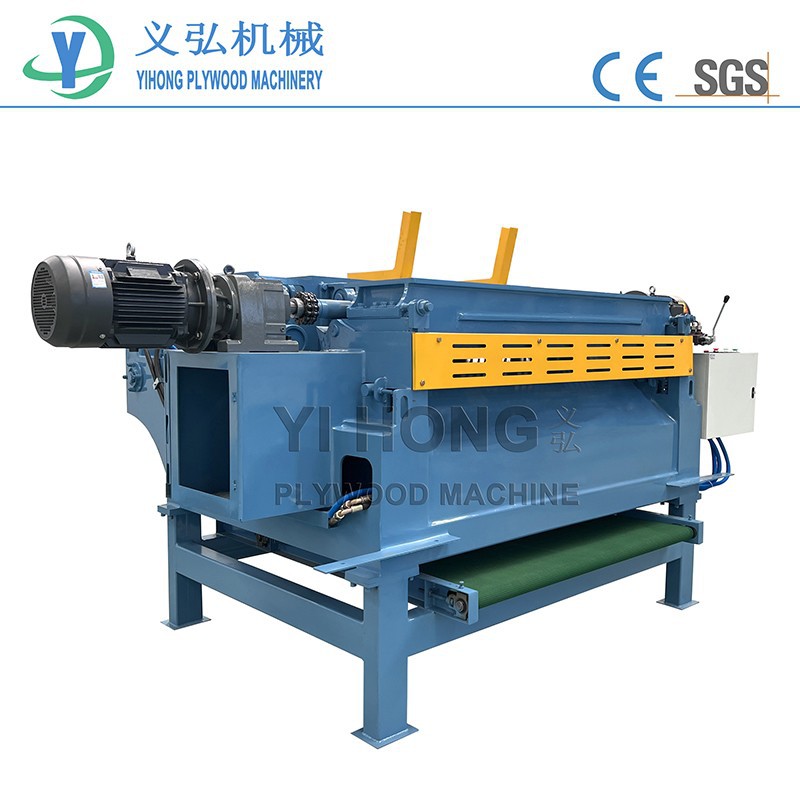
If you're interested in a log debarking machine that can potentially use chain - type tools, check out our 4 ft Log Debarker(chips Crushing). It's a great option for medium - sized operations.
2. Blade - type Debarking Tools
Blade - type debarking tools use sharp blades to cut and peel the bark off the log. These blades are usually mounted on a rotating shaft or a series of arms. As the log rotates against the blades, the bark is sliced away.
The main benefit of blade - type tools is the quality of the debarking result. They can provide a very clean and smooth surface on the log. This is especially important if the logs are going to be used for high - end applications like fine woodworking or furniture making. The blades can be adjusted to different angles and pressures, allowing for precise control over the debarking process.
But blade - type tools also have their limitations. They are generally slower than chain - type tools. Cutting the bark with blades takes more time, which means lower throughput. Also, the blades need to be extremely sharp to work effectively. Dull blades won't be able to cut through the bark properly, and you might end up with uneven debarking or bark that's still partially attached.
Our 8 ft Log Debarker(heavy Duty) can be equipped with blade - type tools, which is a great choice if you're looking for high - quality debarking for larger logs.
3. Abrasive - type Debarking Tools
Abrasive - type debarking tools use abrasive materials like sandpaper or wire brushes to remove the bark. These materials are attached to rotating drums or belts. When the log moves against the abrasive surface, the bark is worn away.
Abrasive - type tools are great for dealing with logs that have a lot of dirt or debris on the bark. The abrasive action can not only remove the bark but also clean the log surface at the same time. They are also relatively gentle on the log, so they won't cause as much damage to the underlying wood as chain - type tools.
On the flip side, abrasive - type tools are not as efficient as chain - type or blade - type tools when it comes to removing thick or tough bark. The abrasive materials can wear out quickly, especially when dealing with large numbers of logs. This means you'll need to replace the abrasive components regularly, which can add to the operating costs.
If you're considering an abrasive - type debarking solution, our 10 ft Log Debarker can be customized to fit your needs.
4. Impact on Log Quality
The type of debarking tool you choose can have a significant impact on the quality of the logs. As mentioned earlier, chain - type tools can leave marks on the log surface, which might reduce the value of the wood if it's going to be used for high - end products. Blade - type tools, on the other hand, can provide a clean and smooth surface, which is ideal for products that require a high - quality finish.
Abrasive - type tools can clean the log surface well, but they might not be as effective in removing all the bark, especially if the bark is thick. This could lead to issues later in the processing, such as problems with gluing or finishing if the remaining bark affects the adhesion or appearance of the final product.

5. Impact on Productivity
Productivity is another crucial factor affected by the debarking tool. Chain - type tools are known for their high - speed operation, which means they can process a large number of logs in a short time. This is great for large - scale operations where maximizing output is the goal.
Blade - type tools, due to their slower cutting speed, are more suitable for smaller - scale operations or when high - quality debarking is the top priority. Abrasive - type tools also have a relatively lower throughput compared to chain - type tools, but they can be useful in specific situations where cleaning and gentle debarking are required.
6. Cost Considerations
Cost is always a major concern when choosing a debarking tool. Chain - type tools are generally more affordable in terms of the initial purchase price. However, they require regular maintenance, which can add up over time. The cost of replacing worn - out chains and keeping them sharp can be significant.
Blade - type tools are usually more expensive upfront, but they can provide a better - quality result. The cost of blade replacement and maintenance also needs to be factored in. Abrasive - type tools have the cost of replacing the abrasive materials, which can be a continuous expense, especially for high - volume operations.
Conclusion
In conclusion, the type of debarking tool on a log debarking machine has a profound impact on the result. Whether you're looking for high - speed debarking, high - quality finish, or a combination of both, there's a debarking tool that's right for you.
If you're in the market for a log debarking machine and want to discuss which debarking tool would be the best fit for your specific needs, don't hesitate to reach out. We're here to help you make the right choice and ensure that your log debarking process is as efficient and effective as possible.
References
- Smith, J. (2018). Log Processing Technologies. Timber Press.
- Johnson, A. (2019). Advances in Debarking Techniques. Forestry Journal.
- Brown, C. (2020). Cost - effective Log Debarking Solutions. Wood Industry Magazine.