

Hey there! As a supplier of Log Cut Off Saws, I often get asked some pretty interesting questions. One that's been popping up a lot lately is, "Can log cut off saws be used for cutting logs underwater?" Well, let's dive right into it and explore this topic in detail.
First off, let's understand what a log cut off saw is. These are powerful tools designed to cut logs to specific lengths. They're commonly used in sawmills, logging operations, and other wood - processing facilities. They come in different types, including circular saws and band saws, each with its own set of advantages and applications.
Now, the idea of cutting logs underwater might seem a bit out there at first. But there are actually some valid reasons why someone might want to do this. For instance, in some cases, logs are stored underwater to keep them moist and prevent them from drying out and cracking. When it's time to process these logs, cutting them underwater could potentially save a lot of time and effort by eliminating the need to lift them out of the water first.
So, can log cut off saws be used underwater? The short answer is, it depends.
Technical Considerations
One of the biggest challenges with using a log cut off saw underwater is dealing with water. Water can cause a lot of problems for the saw's components. For example, it can corrode the metal parts of the saw, such as the blade and the frame. This corrosion can not only damage the saw but also reduce its cutting efficiency over time.
To combat corrosion, the saw would need to be made from materials that are resistant to water and rust. Stainless steel is a popular choice for this, as it has excellent corrosion - resistant properties. However, using stainless steel can increase the cost of the saw.
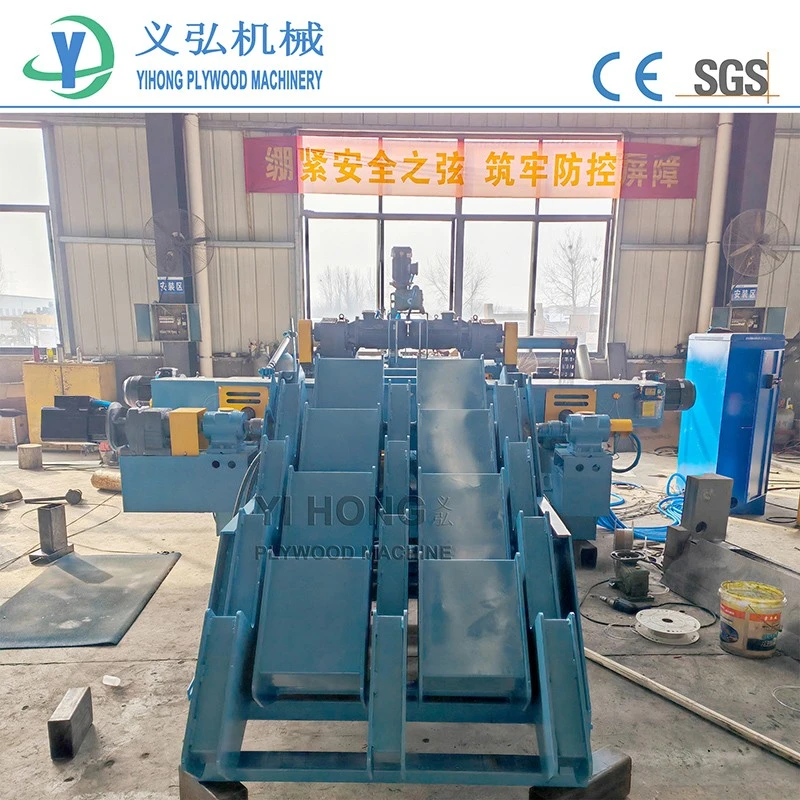

Another technical issue is the power source. Most log cut off saws are powered by electricity or gasoline. Using an electric saw underwater is extremely dangerous due to the risk of electric shock. Gasoline - powered saws also have their own problems. The engine needs air to operate, and being underwater would make it difficult to get the necessary air supply.
Some saws could potentially be modified to work underwater. For example, a hydraulic - powered saw might be a better option as it doesn't rely on air or electricity in the same way. Hydraulic systems can be sealed more effectively to prevent water from getting in and causing damage.
Safety Considerations
Safety is always a top priority when using any kind of power tool, and this is especially true when using a saw underwater. As mentioned earlier, the risk of electric shock is a major concern if using an electric saw. Even if the saw is modified to be waterproof, there's still a risk of water seeping in and causing a short - circuit.
In addition to the electrical risks, there are also physical risks. Working underwater is more difficult and dangerous than working on land. The diver or operator needs to be properly trained and equipped to handle the saw in a submerged environment. Visibility underwater can also be poor, which makes it harder to accurately position the saw and make clean cuts.
Practical Applications
Despite the challenges, there are some situations where cutting logs underwater could be beneficial. For example, in salvage operations, where logs have sunk to the bottom of a lake or river. Instead of trying to lift the logs to the surface, it might be more practical to cut them underwater into more manageable pieces.
In some large - scale logging operations, logs are transported in waterways. If there's a need to cut the logs to a specific length while they're still in the water, an underwater log cut off saw could be a useful tool.
Our Offerings
As a supplier of Log Cut Off Saws, we're constantly looking for ways to meet the diverse needs of our customers. While we don't currently have a saw specifically designed for underwater use, we're open to custom - building saws based on your requirements.
We also offer a range of related products that can be used in conjunction with log cut off saws. For example, our Log Loading Deck is a great tool for loading logs onto the saw. It's designed to be durable and efficient, making the log - handling process much easier.
Our Log Feeding Conveyor is another essential piece of equipment. It can automatically feed logs to the saw at a consistent rate, improving productivity and reducing the need for manual labor.
And if you need to separate individual logs before cutting, our Log Singulator is the perfect solution. It can quickly and accurately separate logs, ensuring a smooth and efficient cutting process.
Conclusion
So, while using a log cut off saw underwater is possible, it comes with a lot of challenges. Technical issues like corrosion and power supply, as well as safety concerns, need to be carefully considered. However, with the right modifications and precautions, it can be a viable option in certain situations.
If you're interested in exploring the possibility of using a log cut off saw underwater or have any other questions about our products, we'd love to hear from you. We're always ready to have a chat and discuss how we can help you with your logging and wood - processing needs. Whether it's custom - building a saw or providing one of our existing products, we're committed to delivering high - quality solutions. Don't hesitate to reach out and start a conversation about your requirements.
References
- "Wood Processing Machinery Handbook"
- Industry reports on logging and sawmill operations.