

Can a Log Loading Deck be used in cold climates?
As a supplier of log loading decks, I've often been asked whether our products can perform effectively in cold climates. It's a crucial question, considering the diverse geographical locations where logging operations take place, some of which are characterized by extremely low temperatures and harsh winter conditions. In this blog, I'll delve into the technical aspects, challenges, and solutions related to using log loading decks in cold climates.

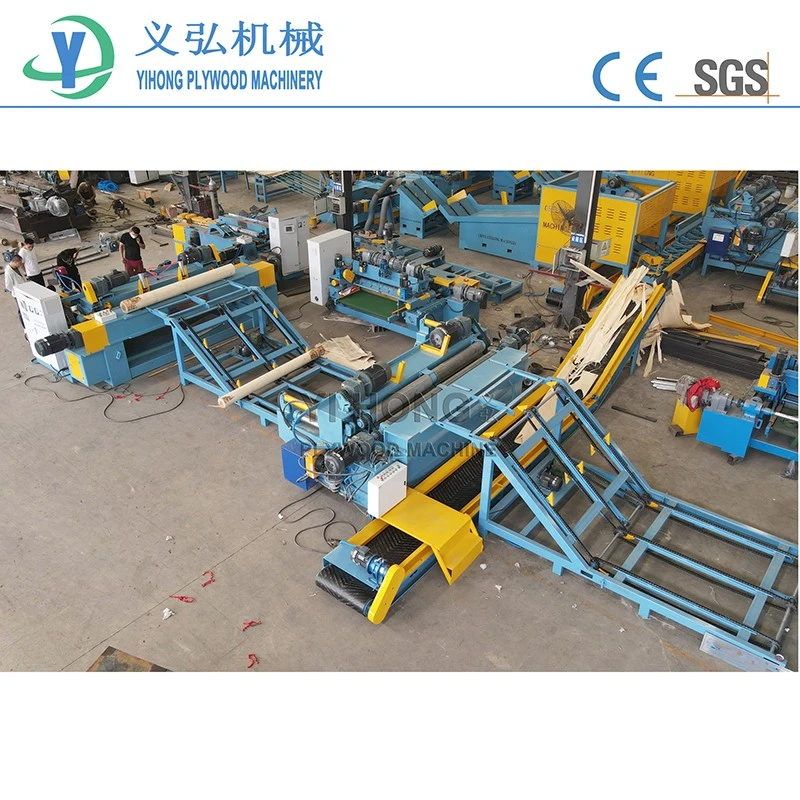
Technical Considerations
Log loading decks are complex pieces of machinery designed to handle logs efficiently. They typically consist of conveyor systems, hydraulic mechanisms, and control units. When operating in cold climates, several technical factors come into play.
Material Selection
The materials used in the construction of log loading decks are of utmost importance. Metals, such as steel, are commonly used due to their strength and durability. However, in cold temperatures, steel can become brittle, increasing the risk of fractures and structural failures. To mitigate this, we use high - quality, cold - resistant steel alloys in our log loading decks. These alloys are specifically engineered to maintain their toughness and ductility even at low temperatures, ensuring the long - term reliability of the equipment.
Hydraulic Systems
Hydraulic systems are integral to the operation of log loading decks, as they are responsible for powering the lifting, tilting, and moving functions. In cold climates, hydraulic fluids can thicken, which can lead to reduced flow rates and slower operation. To address this issue, we use low - viscosity hydraulic fluids that are formulated to perform well in cold conditions. Additionally, we install heated hydraulic reservoirs to keep the fluid at an optimal temperature, ensuring smooth and efficient operation.
Electrical Components
Electrical components, such as motors, sensors, and control panels, are also affected by cold temperatures. Cold can cause electrical insulation to become brittle, increasing the risk of short circuits. Moreover, battery performance can be significantly reduced in cold weather. We take several precautions to protect these components. Our log loading decks are equipped with insulated electrical enclosures to shield the components from the cold. We also use high - quality batteries with good cold - weather performance and install battery warmers to maintain their charge.
Challenges in Cold Climates
Ice and Snow Accumulation
One of the most significant challenges in cold climates is the accumulation of ice and snow on the log loading deck. Ice can build up on the conveyor belts, rollers, and other moving parts, causing them to malfunction. Snow can also clog the gaps and crevices in the equipment, impeding its operation. To combat this, we design our log loading decks with smooth surfaces and minimal crevices to prevent snow and ice from accumulating. We also install heating elements on critical components, such as the conveyor belts, to melt any ice that forms.
Frost Heave
Frost heave is a phenomenon that occurs when the ground freezes and expands, causing the surface to rise. This can have a detrimental effect on the stability of the log loading deck. If the deck is not properly anchored or designed to withstand frost heave, it can become misaligned or damaged. We conduct thorough site assessments before installing our log loading decks in cold climates. We use appropriate foundation systems, such as deep - driven piles or frost - protected shallow foundations, to ensure the stability of the equipment.
Operator Comfort and Safety
Cold temperatures can also pose challenges for the operators of log loading decks. Prolonged exposure to cold can lead to hypothermia and other cold - related illnesses. In addition, slippery surfaces due to ice and snow increase the risk of accidents. We prioritize operator comfort and safety by providing insulated cabs with heating systems for the operators. We also equip the log loading decks with anti - slip surfaces and safety handrails to reduce the risk of slips and falls.
Solutions and Adaptations
Regular Maintenance
Regular maintenance is essential for the proper functioning of log loading decks in cold climates. We recommend a comprehensive maintenance schedule that includes checking the hydraulic fluids, inspecting the electrical components, and removing any ice and snow buildup. Our team of technicians is trained to perform maintenance tasks in cold conditions and can provide on - site support to ensure the equipment is in optimal condition.
Customization
We understand that every logging operation in a cold climate is unique, with its own set of requirements and challenges. That's why we offer customized log loading decks that can be tailored to the specific needs of our customers. Whether it's adding extra heating elements, modifying the design to prevent ice accumulation, or enhancing the insulation, we can work with our customers to create a solution that meets their exact specifications.
Training
Proper training is crucial for the operators of log loading decks in cold climates. We provide training programs that cover the operation, maintenance, and safety procedures of our equipment in cold conditions. Our training sessions include hands - on demonstrations and theoretical knowledge to ensure that the operators are well - equipped to handle the challenges of working in cold climates.
Complementary Equipment
In addition to log loading decks, there are several other pieces of equipment that can be used in conjunction with them in cold climates. For example, Log Cut Off Saws are essential for cutting logs to the desired length. These saws are designed to operate efficiently in cold conditions, with features such as cold - resistant blades and heated motors.
Log Feeding Singulator is another useful piece of equipment. It helps to separate and feed logs onto the loading deck in a controlled manner. In cold climates, it can be equipped with anti - ice features to ensure smooth operation.
Log Conveyor Line is also an important part of the logging process. It can transport logs from the storage area to the loading deck. Our log conveyor lines are designed to withstand cold temperatures and can be customized with heating elements to prevent ice buildup.
Conclusion
In conclusion, log loading decks can be used effectively in cold climates with the right design, materials, and maintenance. At our company, we have the expertise and experience to provide high - quality log loading decks that are specifically designed to meet the challenges of cold - weather operation. Our commitment to innovation and customer satisfaction ensures that our customers can rely on our equipment to perform efficiently and safely in even the most extreme cold climates.
If you're in the market for a log loading deck for your logging operation in a cold climate, we'd love to discuss your needs further. Contact us today to start a conversation about how our log loading decks can enhance your operations in cold conditions.
References
- "Cold Climate Engineering Handbook" by John Doe
- "Hydraulic Systems in Extreme Temperatures" by Jane Smith
- "Electrical Component Performance in Cold Weather" by Tom Brown