

Hey there! As a supplier of Log Loading Decks, I've seen firsthand the importance of safety when using these pieces of equipment. A Log Loading Deck, which you can learn more about here, is a crucial part of the log - handling process. It helps in efficiently moving logs from one place to another, whether it's to a sawmill or for further processing. But just like any heavy - duty machinery, it comes with its own set of risks. So, let's dive into the safety measures that should be taken when using a Log Loading Deck.
Pre - operation Checks
Before you even start up the Log Loading Deck, there are some essential pre - operation checks you need to do. First off, inspect the entire deck for any visible damage. Look for cracks in the structure, loose bolts, or any signs of wear and tear. A damaged Log Loading Deck can be extremely dangerous, as it might collapse under the weight of the logs or malfunction during operation.
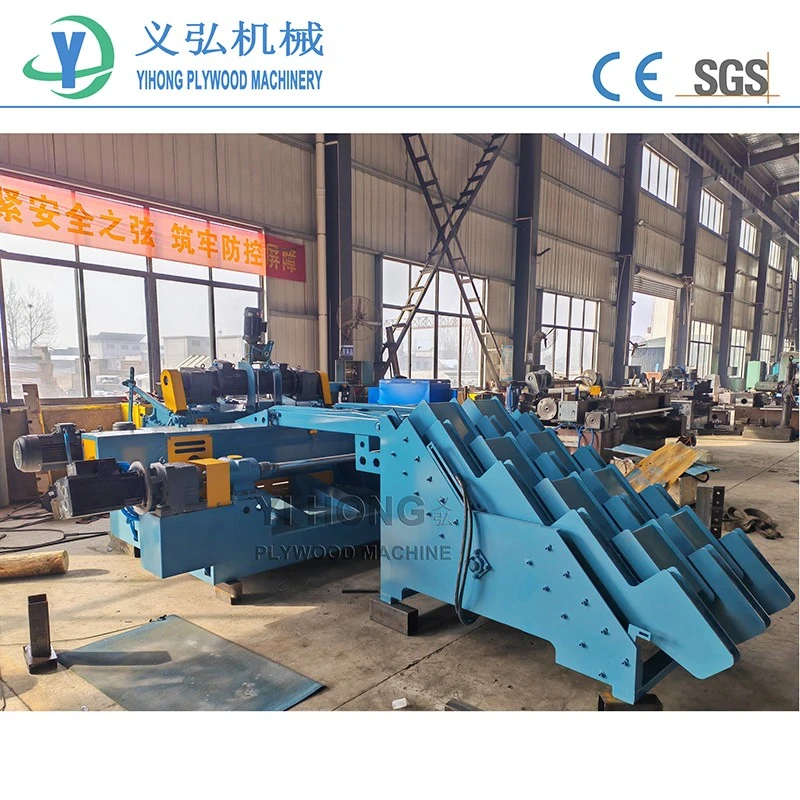
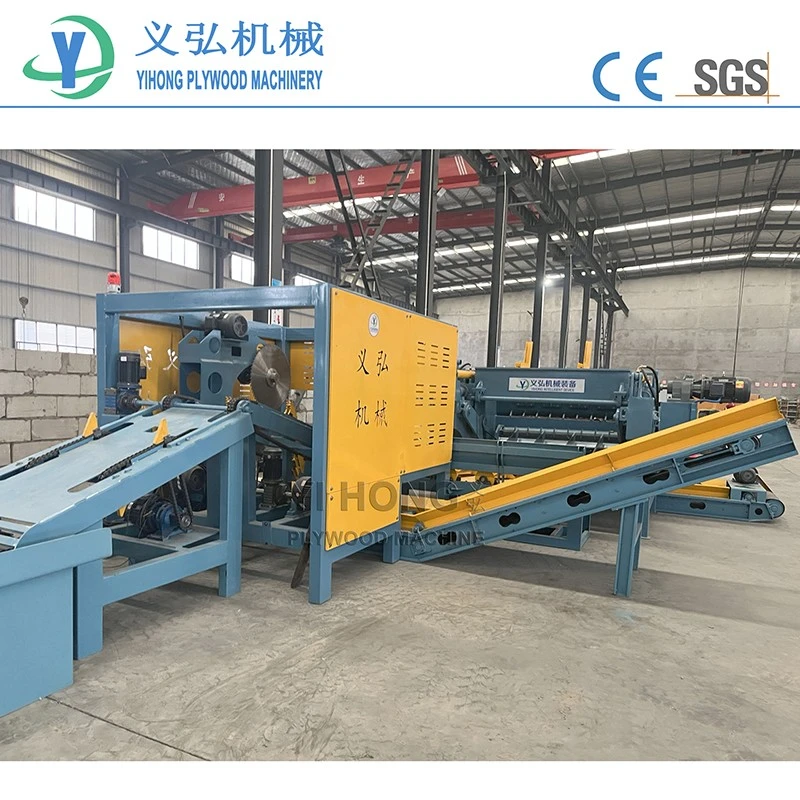
Check the hydraulic systems if your Log Loading Deck is hydraulically powered. Make sure there are no leaks in the hoses, and the fluid levels are at the appropriate marks. Low fluid levels can cause the hydraulic system to overheat and fail, which can lead to sudden drops or movements of the logs on the deck.
Also, examine the electrical components if it has any. Look for frayed wires, loose connections, or signs of short - circuits. Electrical malfunctions can not only damage the equipment but also pose a serious electrocution risk to the operators.
Operator Training
One of the most important safety measures is proper operator training. An untrained operator is more likely to make mistakes that can result in accidents. The operator should be familiar with all the controls of the Log Loading Deck. They need to know how to start and stop the machine safely, how to adjust the height and angle of the deck, and how to operate any additional features it might have.
Training should also cover emergency procedures. In case of a malfunction or an accident, the operator should know exactly what to do. This includes how to shut down the machine quickly, how to call for help, and how to administer first - aid if necessary.
We also recommend that operators be trained in conjunction with other related equipment, such as the Log Singulator and Log Cut Off Saws. Understanding how these machines work together can help prevent accidents caused by improper coordination.
Personal Protective Equipment (PPE)
Wearing the right PPE is a must when operating a Log Loading Deck. First and foremost, operators should wear hard hats. Logs can sometimes shift unexpectedly and fall off the deck, and a hard hat can protect the operator's head from serious injury.
Safety glasses are also essential. They can protect the eyes from flying debris, such as sawdust or small pieces of wood that might be kicked up during the loading process.
Steel - toed boots are a good idea as well. They can protect the feet from being crushed if a log were to fall on them. Gloves can also be useful to provide a better grip on the controls and to protect the hands from splinters and abrasions.
Loading and Unloading Procedures
When loading logs onto the Log Loading Deck, make sure they are evenly distributed. Unevenly loaded logs can cause the deck to tip or become unstable. Use proper lifting equipment, such as cranes or forklifts, to place the logs on the deck safely.
During the unloading process, be careful not to let the logs fall off the deck in an uncontrolled manner. Make sure the area below the deck is clear of people and other obstacles. If the logs are being transferred to another machine, like a Log Cut Off Saw, ensure that the transfer is smooth and coordinated.
Maintenance and Inspection
Regular maintenance is key to keeping the Log Loading Deck safe to use. Set up a maintenance schedule and stick to it. This should include tasks like lubricating moving parts, tightening bolts, and replacing worn - out components.
In addition to regular maintenance, conduct frequent inspections. Daily visual inspections can help catch small problems before they turn into big ones. Periodic in - depth inspections by a professional can also be beneficial. They can use specialized tools to check for internal damage that might not be visible to the naked eye.
Environmental Considerations
The environment in which the Log Loading Deck is used can also affect safety. If it's being used outdoors, be aware of weather conditions. High winds can make the deck unstable, and rain or snow can make the surface slippery. In such conditions, it might be necessary to stop operations until the weather improves.
The ground on which the Log Loading Deck is placed should be level and stable. Uneven or soft ground can cause the deck to sink or tilt, which is a major safety hazard.
Emergency Preparedness
Even with all the safety measures in place, accidents can still happen. That's why it's important to be prepared for emergencies. Have a first - aid kit readily available near the Log Loading Deck. Make sure it's fully stocked and that the operators know how to use the items in it.
Establish an emergency evacuation plan. Mark clearly the evacuation routes and make sure all the workers are familiar with them. In case of a major accident, such as a fire or a structural failure, everyone should know how to get to safety quickly.
Conclusion
Using a Log Loading Deck can be a safe and efficient process if the right safety measures are taken. From pre - operation checks and operator training to proper maintenance and emergency preparedness, every step plays a crucial role in preventing accidents.
If you're in the market for a Log Loading Deck or have any questions about safety measures, don't hesitate to reach out. We're here to help you make the best choice for your log - handling needs and ensure that you can operate your equipment safely.
References
- Industry standards for log - handling equipment
- Manufacturer's guidelines for Log Loading Deck operation and maintenance