

Hey there! As a supplier of Log Feeding Singulators, I get a ton of questions about maintenance schedules. People want to know how often they should take care of these machines to keep them running smoothly. So, I thought I'd break it down for you all in this blog post.
Understanding the Log Feeding Singulator
First off, let's quickly talk about what a Log Feeding Singulator does. It's an essential part of log infeed lines, separating logs so they can be processed efficiently. Whether you're in the lumber industry or just dealing with a lot of logs, this machine helps streamline the whole operation. And if you're curious about other parts of the log infeed process, you can check out the Log Feeding Conveyor and Log Cut Off Saws on our site.
Why Maintenance Matters
Maintenance isn't just some boring chore – it's crucial for the longevity and performance of your Log Feeding Singulator. Regular upkeep helps prevent breakdowns, reduces downtime, and saves you money in the long run. Picture this: if you neglect maintenance, a small issue could turn into a major problem that shuts down your operation. That's not only a headache but also hits your bottom line. So, let's get into the nitty-gritty of the maintenance schedule.
Daily Maintenance
Every day, there are a few simple checks you should do before firing up the Log Feeding Singulator. First, take a good look at the machine for any obvious signs of damage like loose parts, cracks, or leaks. Make sure all the guards and safety features are in place and working properly. Safety is always a top priority, after all.
Next, check the lubrication levels. The moving parts of the singulator need proper lubrication to function smoothly. Refer to the manufacturer's guidelines for the right type of lubricant and how much to use. If the lubrication is low, top it up. It's a quick fix that can prevent a lot of wear and tear.
Lastly, clean the machine. Remove any debris, sawdust, or other particles that might have accumulated. This not only keeps the singulator looking nice but also helps prevent blockages and other issues. A clean machine is a happy machine!
Weekly Maintenance
Once a week, you'll want to do a more in - depth inspection. Check the belts and chains for tension and wear. Over time, these can stretch or get damaged, and if they're not in good shape, they can cause the singulator to malfunction. Adjust the tension as needed or replace any parts that are too worn.
Inspect the electrical connections. Loose or damaged wires can be a safety hazard and can also lead to operational problems. Make sure all the connections are tight and that there are no signs of fraying or burning.
Also, test the sensors. The Log Feeding Singulator relies on sensors to detect the logs and operate correctly. If a sensor is malfunctioning, it can disrupt the whole process. Check that they're working accurately by running a few test cycles.
Monthly Maintenance
On a monthly basis, it's time for some more heavy - duty maintenance. Take a look at the bearings. These are the parts that allow the moving components to rotate smoothly. Listen for any unusual noises, which could indicate that a bearing is going bad. If you suspect an issue, it's best to replace the bearing right away to avoid further damage.

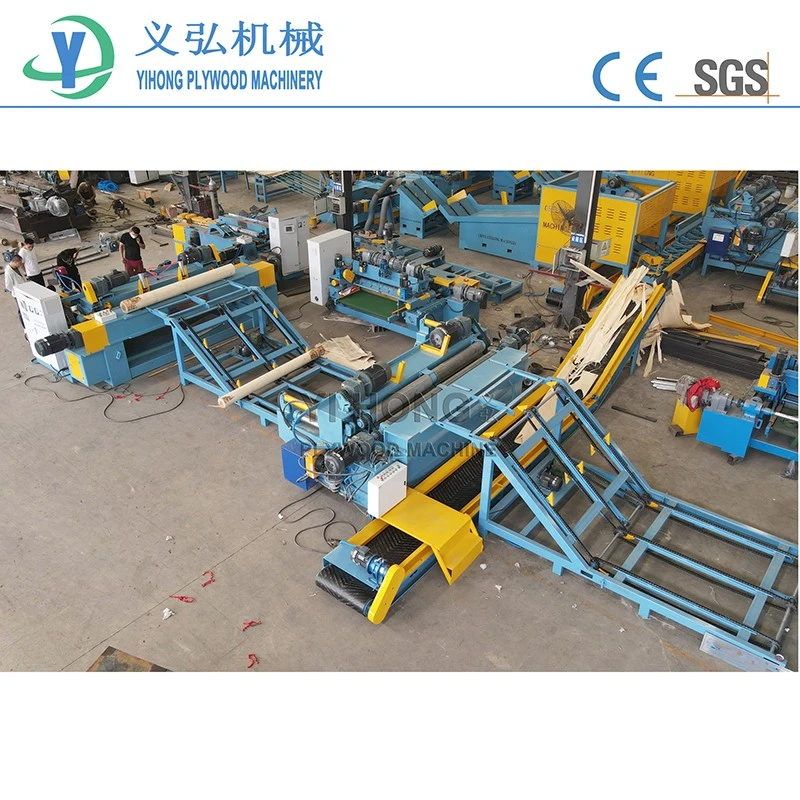
Clean the hydraulic system (if your singulator has one). The hydraulic fluid can get contaminated over time, which can affect the performance of the machine. Drain the old fluid, clean the reservoir, and refill it with fresh fluid according to the manufacturer's specifications.
Calibrate the machine. This ensures that it's operating at the correct settings and is accurately separating the logs. Follow the calibration procedures in the user manual to make sure you're doing it right.
Quarterly and Annual Maintenance
Every three months, you should have a professional technician come in for a more thorough inspection. They have the expertise and tools to identify any potential issues that you might miss. They can also perform more complex maintenance tasks like adjusting the alignment of the mechanical components.
Once a year, it's time for a major overhaul. This includes replacing any parts that have reached the end of their lifespan, even if they're still working. It might seem like a big expense, but it's much cheaper than dealing with a major breakdown. It's also a good time to have the machine re - painted or refurbished to keep it in top condition.
Creating a Maintenance Log
It's a good idea to keep a maintenance log. Write down all the maintenance tasks you've performed, when you did them, and any issues you've noticed. This way, you have a record to refer to if something goes wrong in the future. It also helps you keep track of when the next maintenance is due.
Get in Touch for More Help
If you've got any questions about the maintenance schedule for your Log Feeding Singulator or if you're thinking about purchasing one, don't hesitate to reach out. We're here to help you make the most of your investment and keep your operations running smoothly. You can visit our Log Feeding Singulator page to learn more about our products.
Remember, proper maintenance is the key to getting the best performance out of your Log Feeding Singulator. By following this schedule, you'll keep your machine in great shape and avoid a lot of headaches down the line.
References
- Manufacturer's User Manual for Log Feeding Singulator
- Industry Best Practices for Logging Equipment Maintenance