

Cutting smoothness is a crucial factor when it comes to log cut off saws. As a supplier of Log Cut Off Saws, I've witnessed firsthand how the smoothness of the cutting process can significantly impact the efficiency, quality, and overall performance of these essential tools in the logging and wood processing industries.
Understanding Cutting Smoothness
Cutting smoothness refers to the ability of a log cut off saw to make clean, precise, and even cuts through logs. A smooth - cutting saw minimizes rough edges, splintering, and uneven surfaces on the cut logs. This is achieved through a combination of factors, including the saw blade's design, the saw's power and stability, and the feed rate of the log.
The Role of the Saw Blade
The saw blade is perhaps the most critical component in determining cutting smoothness. High - quality blades are made from durable materials such as carbide - tipped steel. Carbide tips are extremely hard and resistant to wear, allowing the blade to maintain its sharpness over a long period of use. The tooth geometry of the blade also plays a vital role. For example, a blade with a proper hook angle can efficiently remove chips from the cut, reducing the chances of clogging and ensuring a smoother cut.
Moreover, the number of teeth on the blade affects the cutting smoothness. Blades with a higher number of teeth generally produce a smoother cut because they make smaller, more precise cuts with each rotation. However, they may also require more power to operate and may be more prone to clogging if used on dirty or resin - rich logs.
Saw Power and Stability
The power of the log cut off saw is directly related to its ability to cut smoothly. A saw with insufficient power may struggle to cut through the log, resulting in a rough and uneven cut. On the other hand, a saw with adequate power can maintain a consistent cutting speed, which is essential for smooth cuts.
Stability is another key factor. A stable saw will not vibrate excessively during the cutting process. Excessive vibration can cause the blade to wander, leading to uneven cuts and potentially dangerous situations. Our Log Cut Off Saws are designed with robust frames and advanced vibration - dampening technologies to ensure maximum stability during operation.
Feed Rate
The feed rate of the log into the saw is also crucial for cutting smoothness. If the log is fed too quickly, the saw may not be able to cut through it cleanly, resulting in rough edges and splintering. Conversely, if the feed rate is too slow, it can lead to overheating of the blade and increased wear. Finding the optimal feed rate depends on several factors, including the type of wood, the thickness of the log, and the power of the saw.
Importance of Cutting Smoothness
Quality of the Cut Logs
Smooth - cut logs are of higher quality. They have fewer rough edges and splinters, which makes them more suitable for further processing. For example, in the furniture manufacturing industry, smooth - cut logs are easier to plane, sand, and finish, resulting in a more aesthetically pleasing and durable final product. In the construction industry, smooth - cut logs can be used more easily in framing and other structural applications.
Efficiency in the Production Process
A saw that cuts smoothly can operate more efficiently. Since there is less resistance during the cutting process, the saw consumes less energy. Additionally, smooth - cutting saws require less maintenance because there is less wear and tear on the blade and other components. This means less downtime for blade changes and repairs, allowing for a more continuous and productive production process.
Safety
Cutting smoothness also has implications for safety. A saw that cuts smoothly is less likely to cause kickbacks, which are sudden and violent reactions that can occur when the blade binds or stalls. Kickbacks can be extremely dangerous, potentially causing serious injuries to the operator. By ensuring smooth cuts, our Log Cut Off Saws help to create a safer working environment.

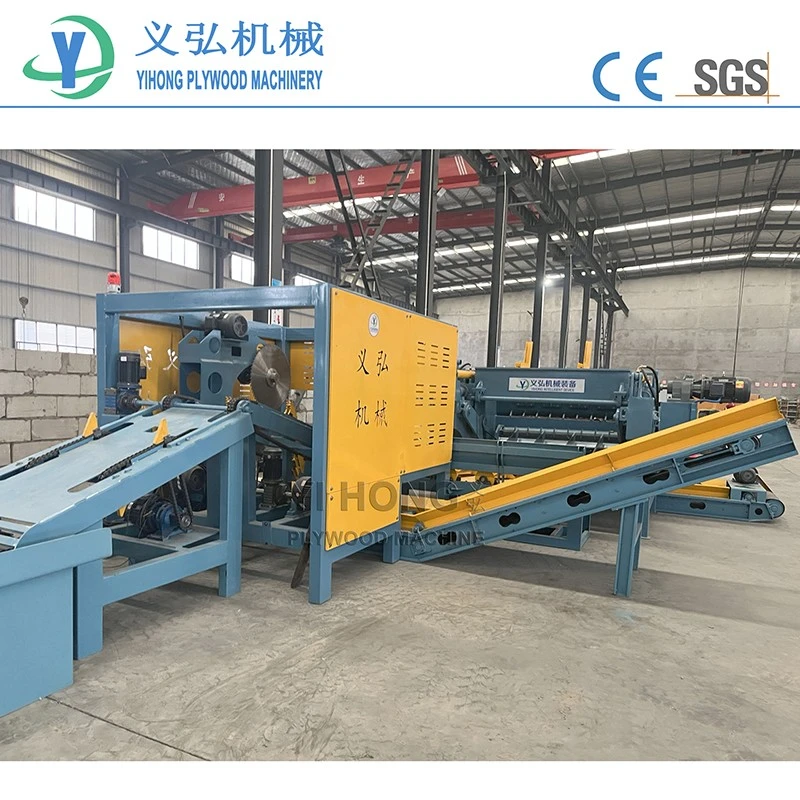
Our Solutions for Optimal Cutting Smoothness
As a supplier of log cut off saws, we offer a range of products designed to provide the highest level of cutting smoothness. Our saws are equipped with state - of - the - art blades that are carefully engineered for different types of wood and cutting applications. We also offer adjustable feed rate controls on our saws, allowing operators to fine - tune the feed rate according to the specific requirements of each job.
In addition to our saws, we also provide related equipment such as Log Loading Deck and Log Feeding Conveyor. The Log Loading Deck is designed to load logs onto the saw safely and efficiently, while the Log Feeding Conveyor ensures a consistent and controlled feed rate, further enhancing the cutting smoothness of our log cut off saws.
Factors Affecting Cutting Smoothness in Different Wood Types
Different types of wood have different characteristics that can affect cutting smoothness. Hardwoods, such as oak and maple, are denser and more difficult to cut than softwoods like pine and spruce. The grain pattern of the wood also plays a role. Woods with a straight grain are generally easier to cut smoothly than those with a curly or interlocked grain.
When cutting hardwoods, a saw with more power and a blade with a higher tooth count may be required to achieve a smooth cut. For softwoods, a blade with a lower tooth count may be sufficient, and the saw may not need to be as powerful. Our technical support team can provide guidance on the best saw and blade combination for different types of wood, ensuring optimal cutting smoothness in every application.
Maintaining Cutting Smoothness
Regular maintenance is essential for maintaining the cutting smoothness of log cut off saws. This includes keeping the blade sharp, cleaning the saw regularly to prevent chip buildup, and checking the alignment of the blade and other components. We offer comprehensive maintenance guides and training programs to help our customers keep their saws in top condition.
In addition, using the right lubricants and coolants can also improve cutting smoothness. Lubricants reduce friction between the blade and the wood, while coolants help to dissipate heat generated during the cutting process. This not only improves the cutting quality but also extends the lifespan of the blade.
Conclusion
Cutting smoothness is a multi - faceted concept that is essential for the performance and efficiency of log cut off saws. As a supplier, we are committed to providing high - quality saws and related equipment that offer the best possible cutting smoothness. Whether you are in the logging, furniture manufacturing, or construction industry, our Log Cut Off Saws can help you achieve superior results.
If you are interested in learning more about our products or have any questions regarding cutting smoothness and log cut off saws, we invite you to contact us for a detailed discussion. Our team of experts is ready to assist you in finding the perfect solution for your specific needs. Let's work together to enhance the quality and efficiency of your wood processing operations.
References
- "Wood Processing Machinery Handbook"
- Industry reports on log cut off saw performance and technology advancements