

Optimizing the cutting path of log cut off saws is a crucial aspect of the lumber processing industry. As a supplier of Log Cut Off Saws, we understand the significance of efficient cutting paths in maximizing productivity, reducing waste, and ensuring high-quality end products. In this blog post, we will explore various strategies and techniques to optimize the cutting path of log cut off saws.
Understanding the Basics of Log Cutting
Before delving into the optimization strategies, it is essential to have a basic understanding of how log cut off saws work. Log cut off saws are designed to cut logs into specific lengths, which are then further processed into lumber or other wood products. The cutting path refers to the trajectory of the saw blade as it moves through the log. A well-optimized cutting path minimizes the amount of wood wasted during the cutting process and ensures that the resulting lumber pieces are of the desired length and quality.
Factors Affecting the Cutting Path
Several factors can influence the cutting path of log cut off saws. These include:
- Log characteristics: The size, shape, and density of the log can significantly impact the cutting path. For example, larger and denser logs may require more power and a slower cutting speed to ensure a clean and accurate cut.
- Saw blade selection: The type and quality of the saw blade can also affect the cutting path. Different saw blades are designed for specific types of logs and cutting applications. Choosing the right saw blade can improve cutting efficiency and reduce the risk of blade damage.
- Cutting speed and feed rate: The cutting speed and feed rate determine how quickly the saw blade moves through the log. Optimizing these parameters can help to minimize the cutting time and reduce the amount of wood wasted.
- Machine alignment and calibration: Proper alignment and calibration of the log cut off saw are essential for ensuring a straight and accurate cutting path. Misaligned or poorly calibrated machines can result in uneven cuts and increased waste.
Strategies for Optimizing the Cutting Path
Now that we have a better understanding of the factors affecting the cutting path, let's explore some strategies for optimizing it:
- Use advanced cutting technology: Modern log cut off saws are equipped with advanced cutting technology, such as computer numerical control (CNC) systems. These systems allow for precise control of the cutting path, ensuring accurate and consistent cuts. By using CNC technology, you can optimize the cutting path based on the specific characteristics of each log, reducing waste and improving productivity.
- Implement log scanning and sorting systems: Log scanning and sorting systems can help to identify the best cutting path for each log based on its size, shape, and quality. These systems use sensors and cameras to scan the logs and generate a digital model, which can then be used to determine the optimal cutting path. By sorting the logs based on their characteristics, you can ensure that each log is cut in the most efficient way possible.
- Optimize saw blade selection: As mentioned earlier, choosing the right saw blade is crucial for optimizing the cutting path. Consider the type of logs you are cutting, the desired cutting speed, and the quality of the end product when selecting a saw blade. Additionally, make sure to regularly inspect and maintain the saw blade to ensure its optimal performance.
- Adjust cutting speed and feed rate: Experiment with different cutting speeds and feed rates to find the optimal combination for each log. Generally, a slower cutting speed and a higher feed rate can result in a cleaner and more accurate cut. However, the specific parameters will depend on the characteristics of the log and the saw blade being used.
- Maintain proper machine alignment and calibration: Regularly check and adjust the alignment and calibration of your log cut off saw to ensure a straight and accurate cutting path. This includes checking the blade alignment, the feed system, and the cutting table. Proper maintenance and calibration can help to prevent uneven cuts and reduce the risk of machine breakdowns.
- Train operators on proper cutting techniques: Proper training of operators is essential for optimizing the cutting path. Make sure your operators are familiar with the operation of the log cut off saw, including how to adjust the cutting parameters, how to load and unload the logs safely, and how to maintain the machine. By providing comprehensive training, you can ensure that your operators are able to optimize the cutting path and achieve the best results.
The Role of Log Loading Deck and Log Conveyor Line
In addition to optimizing the cutting path of log cut off saws, it is also important to consider the role of the Log Loading Deck and Log Conveyor Line in the overall lumber processing workflow. These components play a crucial role in ensuring a smooth and efficient flow of logs through the cutting process.

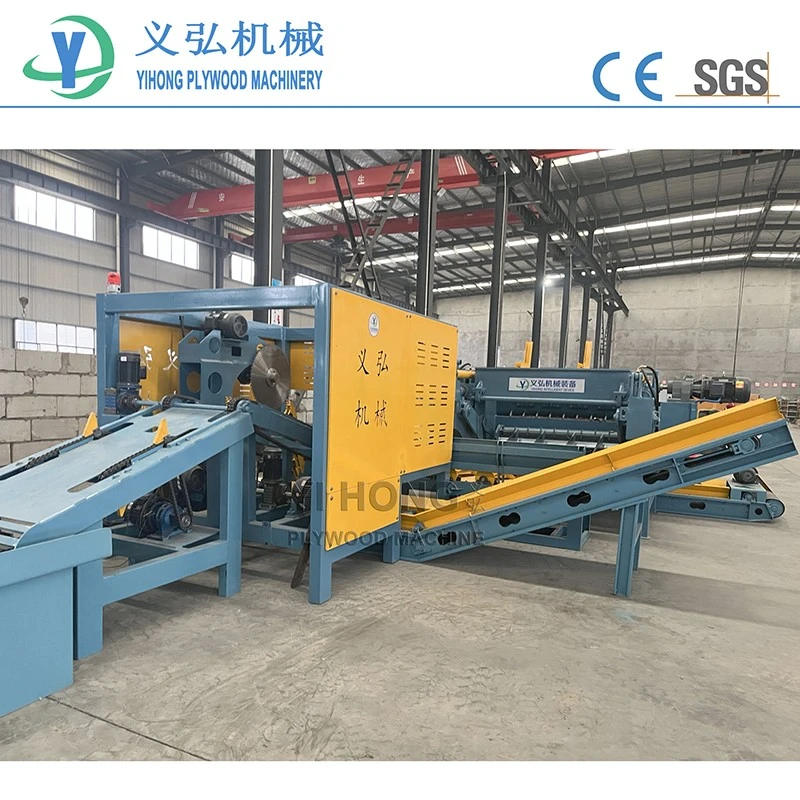
The log loading deck is used to load the logs onto the conveyor line and position them for cutting. A well-designed log loading deck should be able to handle different sizes and types of logs and should be able to load them onto the conveyor line quickly and efficiently. By optimizing the log loading process, you can reduce the downtime between cuts and improve the overall productivity of the lumber processing operation.
The log conveyor line transports the logs from the loading deck to the log cut off saw. It is important to ensure that the conveyor line is properly aligned and calibrated to ensure a smooth and consistent flow of logs. Additionally, the conveyor line should be able to handle the weight and size of the logs without causing any damage or jams. By optimizing the log conveyor line, you can minimize the risk of production delays and improve the overall efficiency of the lumber processing operation.
Conclusion
Optimizing the cutting path of log cut off saws is a complex but essential task for the lumber processing industry. By understanding the factors affecting the cutting path and implementing the strategies outlined in this blog post, you can improve cutting efficiency, reduce waste, and ensure high-quality end products. Additionally, by considering the role of the log loading deck and log conveyor line in the overall workflow, you can further enhance the productivity and efficiency of your lumber processing operation.
If you are interested in learning more about optimizing the cutting path of log cut off saws or if you are looking for a reliable supplier of Log Cut Off Saws, please contact us. Our team of experts is dedicated to providing you with the best solutions for your lumber processing needs. We look forward to working with you to optimize your cutting path and improve your productivity.
References
- [1] Smith, J. (2020). Advanced Techniques for Optimizing Log Cutting Processes. Lumber Processing Journal, 45(2), 32-41.
- [2] Johnson, R. (2019). The Role of Technology in Log Cutting Optimization. Woodworking Today, 32(4), 18-25.
- [3] Brown, A. (2018). Best Practices for Log Scanning and Sorting Systems. Forest Products Magazine, 56(3), 56-63.