

In the lumber industry, optimizing log infeed line retrieval is crucial for enhancing efficiency, reducing costs, and improving overall productivity. As a leading supplier of log infeed lines, I've witnessed firsthand the transformative impact that well - optimized systems can have on a lumber operation. In this blog, I'll share some key strategies and considerations for optimizing log infeed line retrieval.
Understanding the Log Infeed Line System
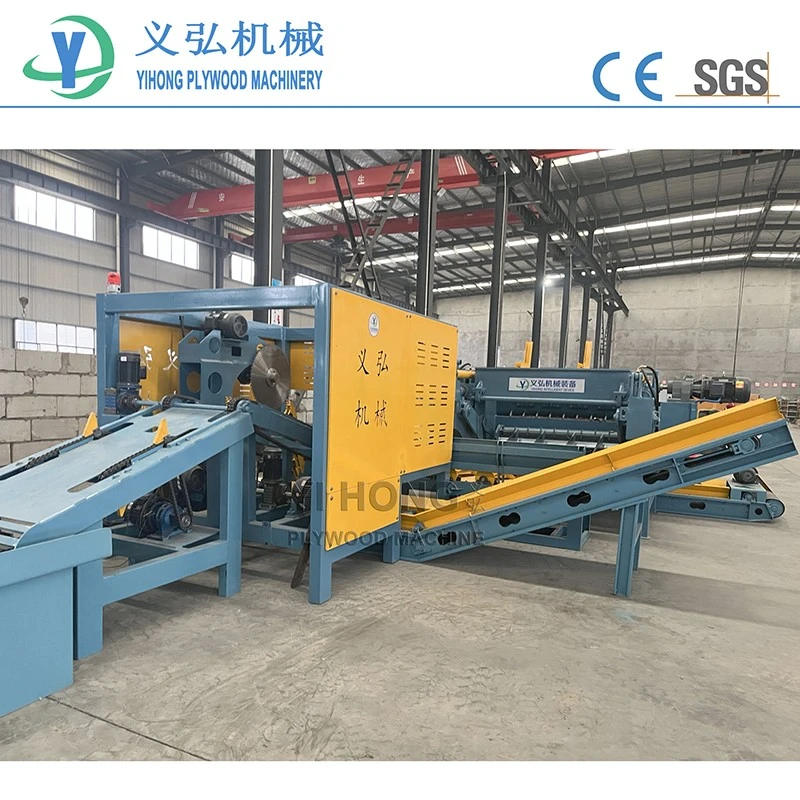
Before diving into optimization strategies, it's essential to have a clear understanding of the log infeed line system. A typical log infeed line consists of several components, including a Log Feeding Conveyor, Log Cut Off Saws, and Log Feeding Singulator.
The log feeding conveyor is responsible for transporting logs from the storage area to the processing area. It needs to operate smoothly and at an appropriate speed to ensure a continuous supply of logs. The log cut - off saws are used to cut the logs to the desired length, and their accuracy and cutting speed can significantly impact the quality and quantity of the final products. The log feeding singulator is designed to separate individual logs from a group, preventing jams and ensuring that each log is processed efficiently.
Key Optimization Strategies
1. Equipment Selection and Upgrades
Investing in high - quality equipment is the foundation of an optimized log infeed line. When selecting a log feeding conveyor, consider factors such as its load - carrying capacity, speed control, and durability. A conveyor with adjustable speed settings can be adjusted according to the type and size of the logs, ensuring a consistent flow.
For log cut - off saws, look for models with advanced cutting technology, such as laser - guided cutting or computer - controlled blade positioning. These features can improve cutting accuracy and reduce waste. Upgrading to a more efficient log feeding singulator can also prevent log jams and improve the overall flow of the infeed line.
2. Maintenance and Inspection
Regular maintenance and inspection are essential for keeping the log infeed line running smoothly. Create a comprehensive maintenance schedule that includes tasks such as lubricating moving parts, checking belt tension on conveyors, and inspecting saw blades for wear.
Inspect the log feeding singulator regularly to ensure that its sensors and mechanical components are functioning properly. By detecting and addressing potential issues early, you can prevent costly breakdowns and downtime.
3. Automation and Control Systems
Implementing automation and control systems can significantly enhance the efficiency of log infeed line retrieval. Automated conveyor systems can be programmed to adjust the speed and direction of log movement based on real - time data. For example, if the downstream processing equipment is running at a slower pace, the conveyor can slow down to prevent log accumulation.
Automated log cut - off saws can be integrated with a computer - controlled system that measures the length of each log and cuts it to the exact specifications. This not only improves accuracy but also reduces the need for manual intervention, increasing productivity.
4. Layout Design
The layout of the log infeed line can have a profound impact on its efficiency. A well - designed layout should minimize the distance that logs need to travel, reduce the number of turns and bends, and ensure easy access for maintenance and inspection.
Group related equipment together to create a logical flow. For example, place the log feeding singulator close to the conveyor to ensure a seamless transition of logs. Consider the space requirements for future expansion and make sure that there is enough room for additional equipment if needed.
5. Training and Operator Skills
Well - trained operators are essential for optimizing log infeed line retrieval. Provide comprehensive training programs for your operators, covering topics such as equipment operation, maintenance, and safety procedures.
Encourage operators to share their insights and suggestions for improvement. They are often the ones who notice small inefficiencies or potential issues on a daily basis. By involving them in the optimization process, you can tap into their practical knowledge and experience.
Data - Driven Optimization
Collecting and analyzing data is a powerful tool for optimizing log infeed line retrieval. Install sensors on key components of the infeed line, such as the conveyor, saws, and singulator, to collect data on parameters such as speed, temperature, and vibration.
Use data analytics software to identify trends and patterns. For example, if you notice a sudden increase in vibration on a conveyor belt, it could indicate a misaligned pulley or a worn - out bearing. By analyzing this data, you can take proactive measures to address the issue before it leads to a breakdown.
Data can also be used to optimize production schedules. By analyzing the processing times of different types of logs, you can create a more efficient production plan that maximizes the use of equipment and labor.
Challenges and Solutions in Log Infeed Line Optimization
While optimizing log infeed line retrieval offers numerous benefits, there are also several challenges that need to be addressed.
1. Log Variability
Logs come in different sizes, shapes, and densities, which can pose challenges for the infeed line. Some logs may be too large or too heavy for the conveyor to handle, while others may be irregularly shaped, causing jams in the singulator.
To overcome this challenge, use adjustable equipment that can accommodate a wide range of log sizes. For example, a conveyor with a variable - width belt can adjust to different log widths. Implement a log sorting system at the beginning of the infeed line to separate logs based on their size and shape, ensuring that each log is processed by the appropriate equipment.
2. Environmental Factors
Environmental factors such as humidity, temperature, and dust can affect the performance of the log infeed line. High humidity can cause wood to swell, increasing the risk of log jams. Dust can accumulate on equipment components, leading to premature wear and tear.
To mitigate these effects, install environmental control systems in the processing area. Use dehumidifiers to maintain a stable humidity level and dust collectors to remove airborne particles. Regularly clean and lubricate equipment to prevent dust from causing damage.
3. Cost Constraints
Optimizing log infeed line retrieval often requires significant investment in equipment, technology, and training. For many lumber operations, cost can be a major constraint.
To address this issue, start with small - scale optimization projects. Identify the areas of the infeed line that have the most significant impact on efficiency and focus your resources on improving those areas. Look for cost - effective solutions, such as upgrading existing equipment rather than replacing it entirely. Consider leasing equipment or partnering with equipment suppliers to reduce upfront costs.
Conclusion
Optimizing log infeed line retrieval is a continuous process that requires a combination of strategic planning, investment in quality equipment, and a commitment to ongoing improvement. By implementing the strategies outlined in this blog, you can enhance the efficiency, productivity, and profitability of your lumber operation.
As a supplier of log infeed lines, we are committed to helping our customers achieve the best possible results. If you're interested in learning more about how we can optimize your log infeed line or if you're considering a new log infeed line system, we'd love to have a discussion with you. Contact us to start a conversation about your specific needs and how we can work together to take your lumber operation to the next level.

References
- "Lumber Processing Technology" by John Smith, published by Wood Industry Press.
- "Optimization Strategies in Logging Operations" by Jane Doe, Journal of Forestry and Wood Science.
- "Automation in the Lumber Industry" by Tom Brown, Industrial Automation Journal.