

Hey there! As a supplier of Log Loading Decks, I've had my fair share of experiences with customers looking to spruce up their decks with some extra features. In this blog, I'll walk you through how to install additional features on a Log Loading Deck. It's not as complicated as it might seem, and I'll share some tips and tricks along the way.
Understanding Your Log Loading Deck
Before you start adding any features, it's crucial to understand the basics of your Log Loading Deck. Every deck is different, and you need to know its capacity, structure, and how it functions. This knowledge will help you determine which additional features are suitable and where they can be installed safely.
For instance, if your deck has a limited weight capacity, you might need to be careful about adding heavy features. On the other hand, if your deck has a sturdy structure, you have more flexibility in terms of what you can add.
Planning Your Additional Features
Once you have a good understanding of your deck, it's time to plan which additional features you want to install. There are several popular options out there, and each one can enhance the functionality and efficiency of your Log Loading Deck.
Log Cut Off Saws
Log Cut Off Saws are a great addition to any Log Loading Deck. They allow you to cut logs to the desired length quickly and accurately. When planning to install a Log Cut Off Saw, you need to consider the space available on your deck. Make sure there's enough room for the saw to operate safely and that it won't interfere with other operations on the deck.
You'll also need to think about the power source for the saw. Most Log Cut Off Saws require an electrical or hydraulic power supply. Ensure that your deck has the necessary connections or that you can easily install them.
Log Conveyor Line
A Log Conveyor Line can significantly improve the efficiency of your Log Loading Deck. It helps to move logs from one point to another smoothly, reducing manual labor and saving time. When planning to install a Log Conveyor Line, you need to determine the route it will take on your deck.
Consider the layout of your deck and any obstacles that might be in the way. You'll also need to make sure that the conveyor line is properly supported and that it can handle the weight and volume of the logs you'll be transporting.
Log Feeding Singulator
A Log Feeding Singulator is another useful feature that can be added to your Log Loading Deck. It separates logs and feeds them one by one, ensuring a consistent flow of logs through the deck. When planning to install a Log Feeding Singulator, you need to think about its placement.
It should be positioned in a way that allows it to easily access the logs and feed them into the next stage of the process. You'll also need to ensure that it's compatible with the other equipment on your deck.
Preparing for Installation
Once you've planned which additional features you want to install, it's time to prepare for the installation process. This involves gathering the necessary tools and materials, as well as making any necessary modifications to your deck.
Tools and Materials
Depending on the features you're installing, you'll need different tools and materials. For example, if you're installing a Log Cut Off Saw, you might need a drill, wrenches, and electrical wiring. If you're installing a Log Conveyor Line, you'll need tools for cutting and shaping metal, as well as bolts and nuts for securing the conveyor.
Make a list of all the tools and materials you'll need and ensure that you have them on hand before you start the installation.
Modifications to the Deck
In some cases, you might need to make modifications to your Log Loading Deck to accommodate the additional features. This could involve cutting holes for electrical wiring, adding support structures, or modifying the deck's surface.
Before making any modifications, make sure you have a clear plan and that you're following all safety guidelines. If you're not comfortable making these modifications yourself, it's a good idea to hire a professional.
Installing the Additional Features
Now that you're prepared, it's time to start installing the additional features. Here's a general overview of the installation process for each feature:
Log Cut Off Saws
- First, find a suitable location on your deck for the saw. Make sure it's level and that there's enough space around it for operation.
- Use the drill to make holes in the deck for mounting the saw. Make sure the holes are the right size and that they're in the correct position.
- Secure the saw to the deck using bolts and nuts. Make sure it's tightly fastened and that it won't move during operation.
- Connect the saw to the power source. Follow the manufacturer's instructions carefully to ensure proper wiring and grounding.
Log Conveyor Line
- Start by laying out the conveyor line on the deck according to your planned route. Make sure it's straight and that there are no kinks or bends.
- Cut and shape the metal components of the conveyor line as needed. Use the appropriate tools for this task.
- Secure the conveyor line to the deck using bolts and nuts. Make sure it's properly supported and that it won't sag or move during operation.
- Connect the conveyor line to the power source. This might involve installing a motor and a control system.
Log Feeding Singulator
- Find a suitable location for the singulator on your deck. It should be close to the log source and in a position where it can easily feed the logs into the next stage of the process.
- Mount the singulator to the deck using bolts and nuts. Make sure it's level and that it won't move during operation.
- Connect the singulator to the power source and any other necessary equipment, such as a conveyor line or a Log Cut Off Saw.
Testing and Maintenance
After installing the additional features, it's important to test them to make sure they're working properly. Run each feature through a few cycles and check for any issues or malfunctions. If you notice any problems, make the necessary adjustments or repairs.
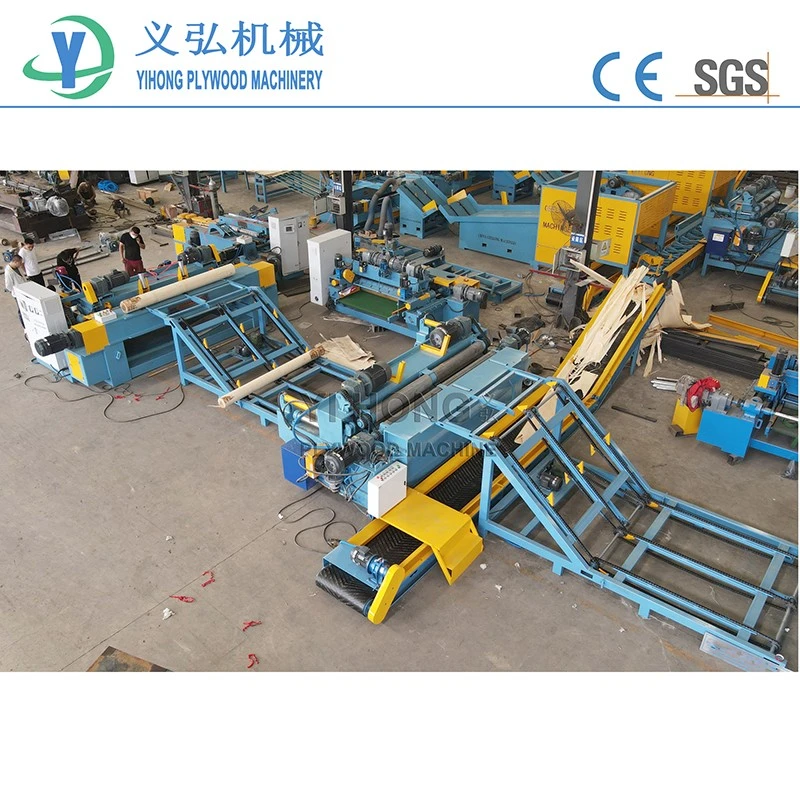

Once the features are working properly, it's important to maintain them regularly. This includes cleaning the equipment, lubricating moving parts, and checking for any signs of wear or damage. Regular maintenance will help to ensure that your additional features last a long time and continue to perform at their best.
Conclusion
Installing additional features on a Log Loading Deck can significantly enhance its functionality and efficiency. By following the steps outlined in this blog, you can successfully install features such as Log Cut Off Saws, Log Conveyor Lines, and Log Feeding Singulators.
If you're interested in purchasing any of these additional features or need more information about Log Loading Decks, feel free to reach out. We're here to help you make the most of your Log Loading Deck and ensure that it meets your specific needs. Contact us to start a conversation about your requirements and explore the options available.
References
- Industry best practices for Log Loading Deck installations
- Manufacturer's manuals for Log Cut Off Saws, Log Conveyor Lines, and Log Feeding Singulators