

Ensuring the availability of log infeed lines is crucial for any operation that deals with logs. As a supplier of log infeed lines, I've seen firsthand the impact that reliable equipment can have on a business. In this blog post, I'll share some tips and strategies on how to keep your log infeed lines running smoothly and available when you need them.
Regular Maintenance
One of the most important things you can do to ensure the availability of your log infeed lines is to perform regular maintenance. This includes things like lubricating moving parts, checking for wear and tear, and replacing any damaged components. By keeping your equipment in good condition, you can prevent breakdowns and extend its lifespan.
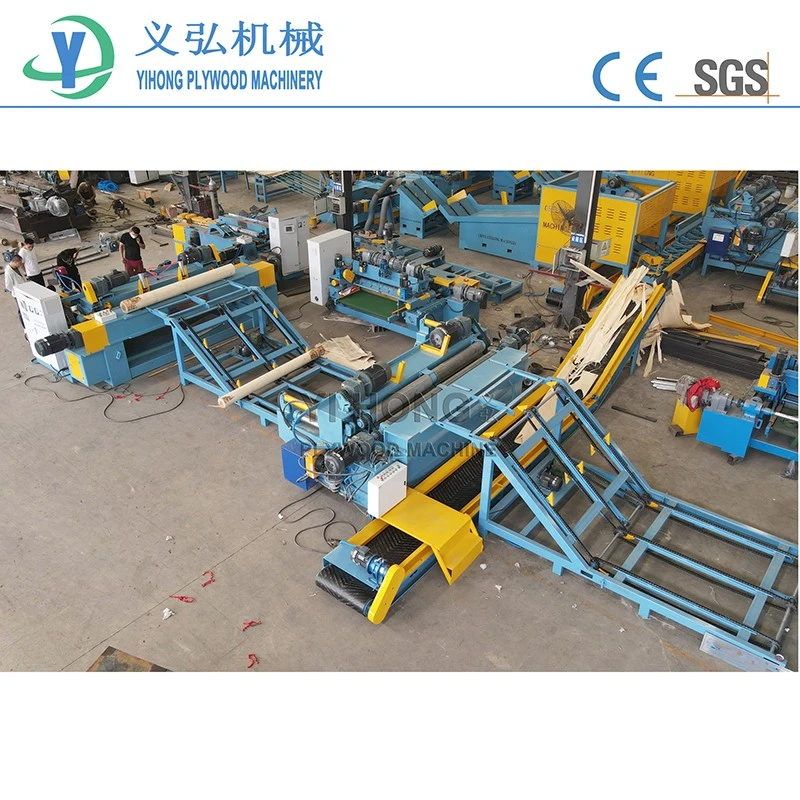
For example, let's say you have a Log Conveyor Line. Over time, the belts on the conveyor can wear out, which can cause them to slip or break. By regularly inspecting the belts and replacing them when necessary, you can avoid costly downtime and keep your log infeed line running smoothly.
Training Your Staff
Another key factor in ensuring the availability of your log infeed lines is to train your staff properly. Your employees should know how to operate the equipment safely and efficiently, as well as how to perform basic maintenance tasks. By providing your staff with the knowledge and skills they need, you can reduce the risk of operator error and keep your log infeed lines running at peak performance.
For instance, if you have a Log Singulator, your employees should know how to adjust the settings to ensure that the logs are properly separated. They should also know how to clean the singulator regularly to prevent clogs and other issues.
Using High-Quality Components
Using high-quality components is essential for ensuring the availability of your log infeed lines. Cheap or inferior parts may be less expensive upfront, but they can end up costing you more in the long run due to frequent breakdowns and replacements. By investing in high-quality components, you can ensure that your equipment is reliable and durable.
For example, if you're building a new log infeed line, you should choose a high-quality motor for your Log Feeding Singulator. A good motor will be more efficient, last longer, and require less maintenance than a cheaper alternative.
Having a Spare Parts Inventory
Having a spare parts inventory is another important strategy for ensuring the availability of your log infeed lines. By keeping a stock of commonly used parts on hand, you can quickly replace any damaged components and minimize downtime. This is especially important for critical components that may take a long time to order and receive.
For instance, if you have a log infeed line that uses a specific type of bearing, you should keep a few extra bearings in your inventory. That way, if a bearing fails, you can replace it right away and get your log infeed line back up and running.

Monitoring Performance
Monitoring the performance of your log infeed lines is essential for identifying potential issues before they become major problems. By tracking key performance indicators (KPIs) such as throughput, downtime, and maintenance costs, you can spot trends and make adjustments as needed.
For example, if you notice that your log infeed line is experiencing more downtime than usual, you can investigate the cause and take steps to address it. It could be due to a mechanical issue, operator error, or a problem with the raw materials. By identifying the root cause of the problem, you can take corrective action and prevent similar issues from occurring in the future.
Implementing a Preventive Maintenance Program
Implementing a preventive maintenance program is a proactive approach to ensuring the availability of your log infeed lines. A preventive maintenance program involves scheduling regular maintenance tasks based on the manufacturer's recommendations and the equipment's usage. By performing maintenance tasks before problems occur, you can prevent breakdowns and extend the lifespan of your equipment.
For example, your preventive maintenance program might include tasks such as lubricating the conveyor belts, checking the alignment of the rollers, and inspecting the electrical connections. By following a regular maintenance schedule, you can keep your log infeed lines in good condition and reduce the risk of unexpected downtime.
Working with a Reliable Supplier
Finally, working with a reliable supplier is essential for ensuring the availability of your log infeed lines. A good supplier will not only provide you with high-quality equipment and components but also offer excellent customer service and support. They should be able to answer your questions, provide technical assistance, and help you troubleshoot any issues that may arise.
As a log infeed line supplier, I understand the importance of reliability and customer satisfaction. That's why I strive to provide my customers with the best products and services possible. If you're in the market for a log infeed line or need help with your existing equipment, I'd be happy to talk to you.
In conclusion, ensuring the availability of log infeed lines requires a combination of regular maintenance, proper training, high-quality components, a spare parts inventory, performance monitoring, a preventive maintenance program, and a reliable supplier. By following these tips and strategies, you can keep your log infeed lines running smoothly and available when you need them. If you have any questions or need further assistance, please don't hesitate to contact me. I'm here to help you get the most out of your log infeed lines.
If you're interested in learning more about our log infeed lines or would like to discuss your specific needs, feel free to reach out. We're always happy to have a chat and see how we can assist you in your procurement process. Let's work together to ensure your operations run efficiently with our top-notch log infeed solutions.
References
- Industry best practices for log infeed line maintenance
- Manufacturer's manuals for log infeed line equipment
- Experience and knowledge gained from working as a log infeed line supplier