

Analyzing log infeed lines is a crucial process for optimizing the efficiency and productivity of a logging or sawmill operation. As a log infeed lines supplier, I have witnessed firsthand the importance of accurate log infeed line analysis in ensuring smooth operations and maximizing output. In this blog post, I will share some insights on how to analyze log infeed lines effectively.
Understanding the Basics of Log Infeed Lines
Before delving into the analysis process, it is essential to have a clear understanding of what log infeed lines are and how they function. Log infeed lines are a series of equipment and systems designed to transport logs from the log yard to the processing area, such as a sawmill or a chipper. These lines typically include conveyors, log singulators, log cut-off saws, and other components that work together to ensure a continuous and efficient flow of logs.
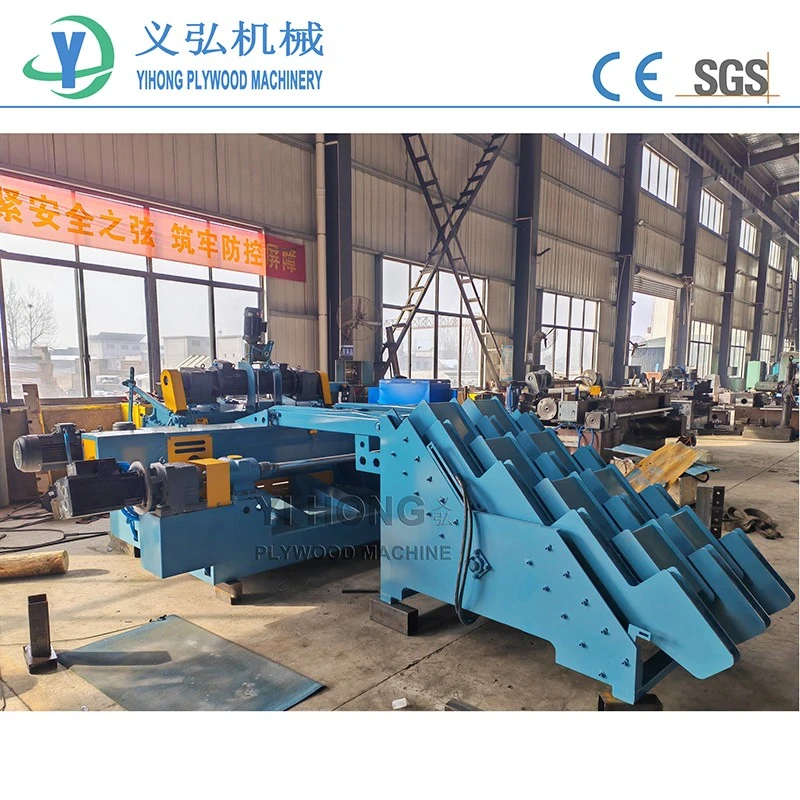

The primary goal of a log infeed line is to deliver logs to the processing equipment at the right time, in the right orientation, and at the right speed. This requires careful coordination and synchronization of all the components in the line. Any disruption or inefficiency in the log infeed process can lead to downtime, reduced productivity, and increased costs.
Key Metrics for Analyzing Log Infeed Lines
When analyzing log infeed lines, several key metrics can provide valuable insights into the performance of the system. These metrics include:
- Throughput: This is the amount of logs that the infeed line can process within a given time frame. It is usually measured in cubic meters or board feet per hour. A high throughput indicates that the line is operating efficiently and can handle a large volume of logs.
- Log Orientation: Proper log orientation is crucial for efficient processing. Analyzing the percentage of logs that are correctly oriented as they enter the processing equipment can help identify any issues with the log singulator or other components in the line.
- Downtime: Downtime is the amount of time that the infeed line is not operational due to breakdowns, maintenance, or other issues. Minimizing downtime is essential for maximizing productivity and profitability.
- Energy Consumption: Log infeed lines typically consume a significant amount of energy. Analyzing the energy consumption of the line can help identify opportunities for energy savings and cost reduction.
- Maintenance Requirements: Regular maintenance is essential for keeping the log infeed line in good working condition. Analyzing the maintenance requirements of the line can help schedule maintenance activities more effectively and prevent unexpected breakdowns.
Steps for Analyzing Log Infeed Lines
The following steps can be followed to analyze log infeed lines effectively:
- Collect Data: The first step in analyzing log infeed lines is to collect relevant data. This can include data on throughput, log orientation, downtime, energy consumption, and maintenance requirements. The data can be collected manually or using automated monitoring systems.
- Set Baselines: Once the data has been collected, it is important to set baselines for each of the key metrics. Baselines represent the normal or expected performance of the log infeed line. They can be established based on historical data, industry standards, or the manufacturer's specifications.
- Identify Deviations: After setting the baselines, the next step is to identify any deviations from the expected performance. Deviations can indicate potential issues or opportunities for improvement in the log infeed line.
- Analyze Root Causes: Once the deviations have been identified, it is important to analyze the root causes of the problems. This may involve conducting a detailed inspection of the equipment, reviewing the operating procedures, or consulting with the equipment manufacturer.
- Develop Solutions: Based on the analysis of the root causes, solutions can be developed to address the issues and improve the performance of the log infeed line. These solutions may include equipment upgrades, process improvements, or changes in operating procedures.
- Implement and Monitor: After the solutions have been developed, they need to be implemented and monitored to ensure that they are effective. This may involve training the operators, making adjustments to the equipment, or implementing new maintenance procedures.
Role of Different Components in Log Infeed Lines
Each component in a log infeed line plays a specific role in the overall process. Let's take a closer look at some of the key components and their functions:
- Log Conveyor Line: The Log Conveyor Line is responsible for transporting logs from one point to another. It can be a belt conveyor, a chain conveyor, or a roller conveyor, depending on the specific requirements of the operation. The conveyor line needs to be designed to handle the size, weight, and volume of the logs being transported.
- Log Singulator: The Log Singulator is used to separate individual logs from a group of logs. It ensures that the logs are fed into the processing equipment one at a time, in the correct orientation. A well-functioning log singulator can improve the efficiency of the entire infeed line.
- Log Cut - Off Saws: Log Cut Off Saws are used to cut the logs to the desired length. They need to be accurate and reliable to ensure that the logs are cut to the correct specifications. The performance of the log cut - off saws can have a significant impact on the overall productivity of the infeed line.
Importance of Regular Analysis
Regular analysis of log infeed lines is essential for several reasons. Firstly, it helps to identify potential problems before they become major issues. By detecting and addressing issues early, downtime can be minimized, and productivity can be maintained. Secondly, regular analysis allows for continuous improvement of the log infeed line. By monitoring the key metrics and making adjustments as needed, the performance of the line can be optimized over time. Finally, it helps in making informed decisions regarding equipment upgrades, maintenance schedules, and process improvements.
Contact for Procurement and Consultation
If you are looking to optimize your log infeed line or are in the market for high - quality log infeed line equipment, I encourage you to reach out to us. Our team of experts can provide you with detailed information about our products and services, and assist you in finding the best solutions for your specific needs. Whether you need a new log conveyor line, a log singulator, or a log cut - off saw, we have the expertise and experience to meet your requirements.
References
- "Logging Equipment Handbook" - A comprehensive guide on logging equipment and their operations.
- Industry reports on sawmill and logging operations, which provide insights into best practices for log infeed line management.