

Hey there! As a supplier of Log Singulator, I often get asked whether our Log Singulator can be used for application log analysis in different programming languages. Well, let's dive right into this topic and find out.
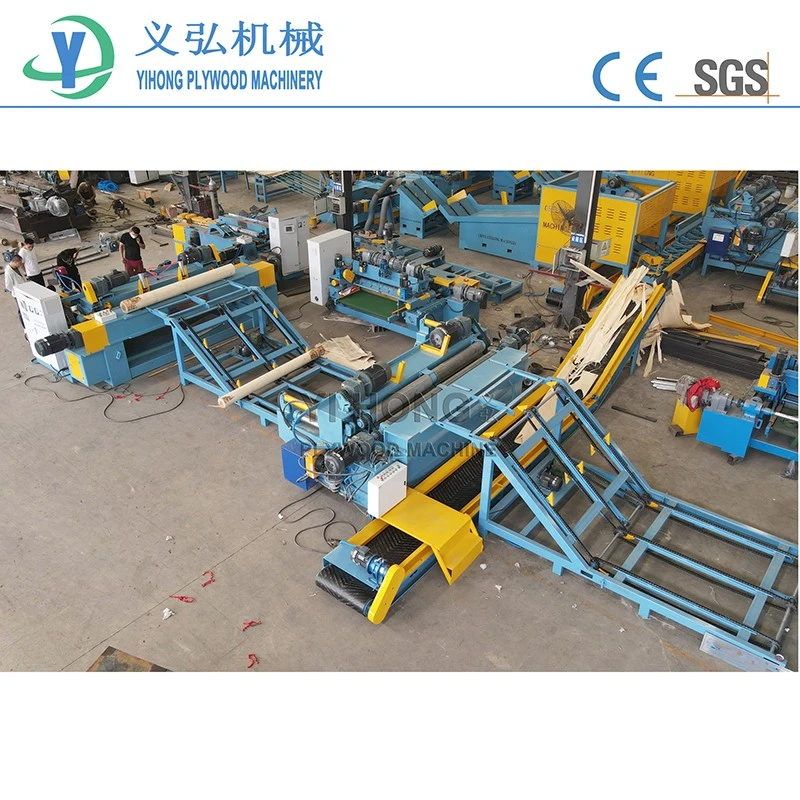
First off, what exactly is a Log Singulator? A Log Singulator, as you can learn more about on Log Singulator, is a device that helps in separating logs, making them easier to handle and process. But when it comes to application log analysis, things get a bit more interesting.
In the world of programming, different languages have their own unique ways of generating and formatting logs. For example, Python uses the built - in logging module, which allows developers to create logs with different levels of severity like debug, info, warning, error, and critical. These logs can be formatted in various ways, such as simple text, JSON, or XML.
Java, on the other hand, has the java.util.logging package and popular third - party logging frameworks like Log4j and SLF4J. These frameworks offer a wide range of features for log management, including different appenders (e.g., file appenders, console appenders) and log levels.
So, can our Log Singulator be used for analyzing logs from these different programming languages? The answer is a resounding yes!
One of the key features of our Log Singulator is its flexibility. It can handle logs in different formats. Whether you're dealing with plain text logs from a C++ application, structured JSON logs from a Node.js server, or XML - formatted logs from a.NET application, our Log Singulator can process them all.
Let's take a closer look at how it works. The Log Singulator uses advanced pattern - matching algorithms. It can identify the different components of a log entry, such as the timestamp, log level, and the actual message. This is crucial because in application log analysis, you often want to filter logs based on these components. For example, you might want to see all the error - level logs that occurred in the last hour.
Another advantage of using our Log Singulator for application log analysis is its ability to integrate with other tools. Many programming languages have their own development and monitoring ecosystems. Our Log Singulator can be easily integrated with popular monitoring tools like Grafana, Prometheus, and ELK Stack (Elasticsearch, Logstash, and Kibana). This means that you can use these powerful visualization and analysis tools to gain deeper insights from your application logs.
For instance, if you're using Python and you want to visualize the trends in your application's log levels over time, you can pipe the logs processed by our Log Singulator into Grafana. Grafana will then create beautiful dashboards that show you how the number of error, warning, and info logs are changing over time.
Now, let's talk about the practical aspects of using our Log Singulator for different programming languages. When you're developing an application in a particular language, you need to ensure that the logs are being generated in a way that the Log Singulator can understand. This usually means following some basic formatting rules.
For example, if you're using a custom logging function in your JavaScript application, make sure that it includes a timestamp and a log level in a consistent format. This will make it easier for the Log Singulator to parse the logs accurately.
In addition to the Log Singulator, we also offer the Log Loading Deck. This is a great addition if you have a large volume of logs to process. The Log Loading Deck can efficiently load the logs into the Log Singulator, ensuring that there are no bottlenecks in the log analysis process.
And then there's the Log Feeding Singulator. This device is designed to feed the logs to the main Log Singulator in a controlled and efficient manner. It helps in optimizing the log processing workflow, especially when dealing with logs from multiple sources or programming languages.
To sum it up, our Log Singulator is a versatile tool that can be used for application log analysis in different programming languages. Its flexibility, advanced pattern - matching capabilities, and integration options make it a great choice for developers and system administrators alike.
If you're interested in using our Log Singulator, Log Loading Deck, or Log Feeding Singulator for your application log analysis needs, we'd love to have a chat with you. Whether you're a small startup or a large enterprise, our solutions can be tailored to fit your requirements. Don't hesitate to reach out to us for a detailed discussion on how our products can benefit your log analysis process.

References
- Python Logging Documentation
- Java Logging Frameworks (Log4j, SLF4J) Documentation
- Node.js Logging Best Practices
- Grafana, Prometheus, and ELK Stack Documentation