

When it comes to the utilization of log loading decks in areas with strong winds, a multitude of factors need to be meticulously considered. As a reputable supplier of Log Loading Decks, I've had the privilege of engaging with various clients across diverse geographical regions, each presenting unique environmental challenges. This blog aims to delve into the feasibility and practicality of using log loading decks in windy areas, offering insights based on industry knowledge and real - world experiences.
Understanding the Log Loading Deck
Before we explore its use in windy conditions, let's first understand what a Log Loading Deck is. A Log Loading Deck, as detailed on our website Log Loading Deck, is a crucial component in log handling operations. It serves as a platform where logs are loaded, sorted, and prepared for further processing. It streamlines the log - handling process, enhancing efficiency and productivity in the forestry and wood - processing industries.
Challenges Posed by Strong Winds
Strong winds can introduce several challenges when it comes to operating a log loading deck. One of the most immediate concerns is the stability of the logs on the deck. High - velocity winds can exert significant lateral forces on the stacked logs, potentially causing them to topple over. This not only disrupts the loading process but also poses a safety risk to the workers on the site.

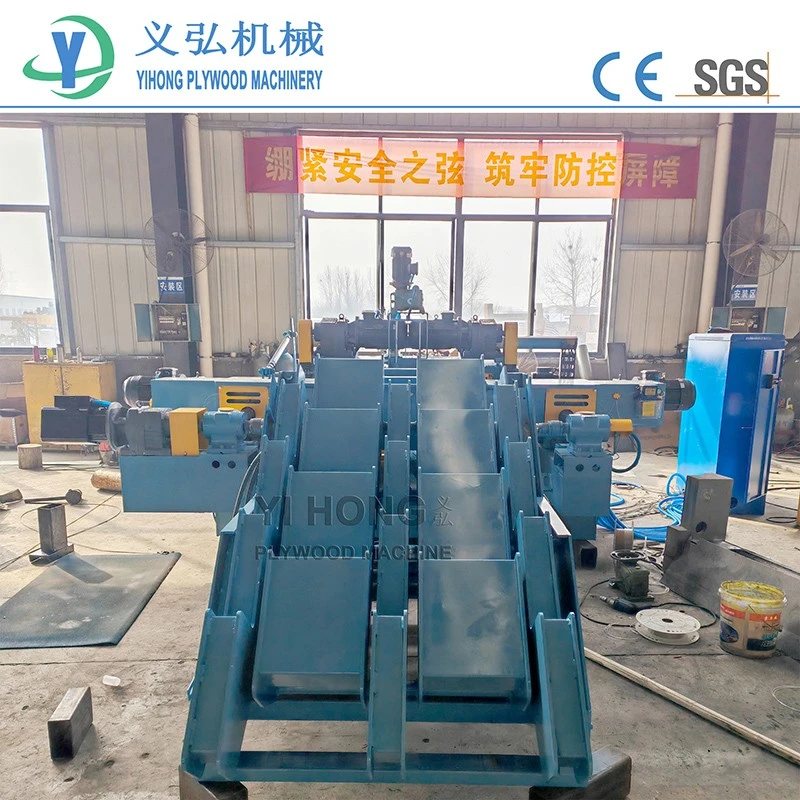
In addition to log stability, wind can also affect the machinery and equipment associated with the log loading deck. For instance, wind gusts can interfere with the operation of conveyor belts, causing misalignment or even damage to the components. Moreover, the wind can carry dust and debris, which may clog the moving parts of the equipment, leading to increased maintenance requirements and potential breakdowns.
Design Considerations for Windy Areas
To overcome the challenges posed by strong winds, the design of the log loading deck must be carefully tailored. Firstly, the deck should be constructed with a low - profile design. A lower height reduces the surface area exposed to the wind, minimizing the wind's impact on the structure. Additionally, the deck can be equipped with side barriers or retaining walls. These barriers help to keep the logs in place, preventing them from being blown off the deck.
Another important design aspect is the anchoring system. In windy areas, a robust anchoring system is essential to secure the log loading deck to the ground. This can include deep - driven piles or heavy - duty ground anchors that can withstand the lateral forces exerted by the wind.
Complementary Equipment for Windy Conditions
In addition to the log loading deck itself, complementary equipment can also play a vital role in ensuring smooth operations in windy areas. The Log Feeding Singulator is one such piece of equipment. It helps to separate the logs before they are loaded onto the deck, ensuring a more organized and stable loading process. By preventing over - stacking of logs, it reduces the risk of logs being blown over by the wind.
Similarly, the Log Singulator can be a valuable addition. It further enhances the sorting and separation of logs, improving the overall efficiency of the log - handling process. In windy conditions, having well - sorted logs is crucial as it minimizes the chances of log instability.
Safety Measures
Safety should always be the top priority when operating a log loading deck in windy areas. Workers should be provided with appropriate personal protective equipment (PPE), such as hard hats and safety harnesses, especially when working on or around the deck. Regular safety training should also be conducted to educate the workers about the potential hazards associated with wind - related operations and the proper safety procedures to follow.
Furthermore, weather monitoring systems can be installed on the site. These systems can provide real - time information about wind speed and direction, allowing the operators to make informed decisions. For example, if the wind speed exceeds a certain threshold, the log loading operations can be temporarily halted to prevent accidents.
Case Studies
To illustrate the practicality of using log loading decks in windy areas, let's consider a few case studies. In a coastal region where strong sea breezes are common, a forestry company installed a log loading deck that was specifically designed for windy conditions. The deck was built with a low - profile design and equipped with high - strength side barriers. Additionally, a state - of - the - art anchoring system was used to secure the deck to the ground.
Despite the challenging wind conditions, the log loading deck has been operating smoothly for several years. The company has reported a significant increase in productivity, as the deck's design has effectively minimized the disruptions caused by the wind. Moreover, the safety of the workers has been greatly improved, with a notable reduction in wind - related accidents.
Cost - Benefit Analysis
While the initial investment in a log loading deck designed for windy areas may be higher compared to a standard deck, the long - term benefits are substantial. The reduced risk of log toppling and equipment damage means fewer interruptions in the loading process, leading to increased productivity. Additionally, the enhanced safety features can result in lower insurance premiums and reduced liability costs.
Furthermore, the improved durability of the deck and equipment in windy conditions means lower maintenance and replacement costs over time. Overall, the cost - benefit analysis indicates that investing in a log loading deck suitable for windy areas is a wise decision for businesses operating in such environments.
Conclusion
In conclusion, a log loading deck can indeed be used in areas with strong winds, provided that the appropriate design considerations, safety measures, and complementary equipment are in place. As a supplier of log loading decks, we are committed to providing our clients with solutions that are tailored to their specific environmental requirements. Our team of experts can work closely with you to design and install a log loading deck that meets the challenges of windy conditions, ensuring efficient and safe log - handling operations.
If you are considering purchasing a log loading deck for an area with strong winds, we invite you to contact us for a detailed consultation. Our experienced sales team will be happy to discuss your needs, provide you with a customized solution, and guide you through the procurement process. Let us help you make the most of your log - handling operations, even in the most challenging weather conditions.
References
- Forestry Equipment Handbook, 3rd Edition.
- Journal of Wind Engineering and Industrial Aerodynamics.
- Safety Guidelines for Log - Handling Operations in Harsh Environments.